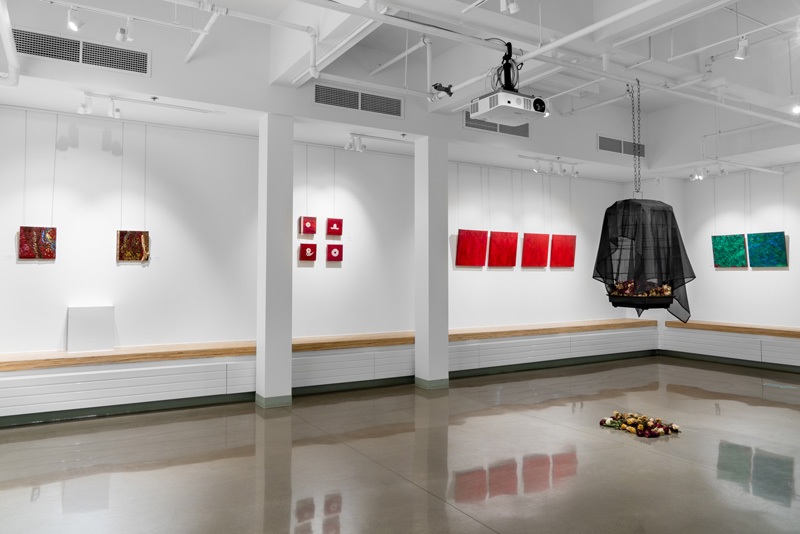
Thousands of Roses is a multidisciplinary project that explores memory, disappearance and what remains after absence. Through an installation, mosaics and paintings, I examine memory, absence and the traces left by the thousands of older people who died during the pandemic. The rose, fragmented matter and the landscapes evoked by painting become so many metaphors for lives, memories and fragments of stories. Between tribute and meditation, the project questions our relationship to loss and memory, while bringing forward a reflection on what, despite disappearance, continues to live in us.
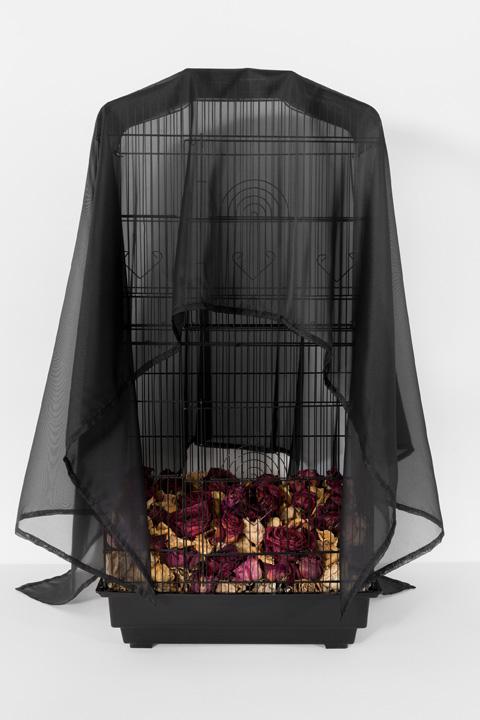
The installation Requiem for Thousands of Roses refers to the requiem, a prayer or work dedicated to the dead. The word, from the Latin requies, means “rest” and evokes the rest granted to the dead as well as their memory. Here, the requiem takes a visual and symbolic form. Each dried rose represents a person who has died. Gathered by the thousands behind the bars of a cage, the roses become the silent traces of a multitude of lives. The veil enveloping the installation evokes mourning, while the cage refers to the confinement experienced by many older people and to their vulnerability.
Thus, Requiem for Thousands of Roses is both a tribute and a meditation on disappearance, isolation and the fragility of life. The roses, once alive and now withered, become the silent witnesses of those who are gone.
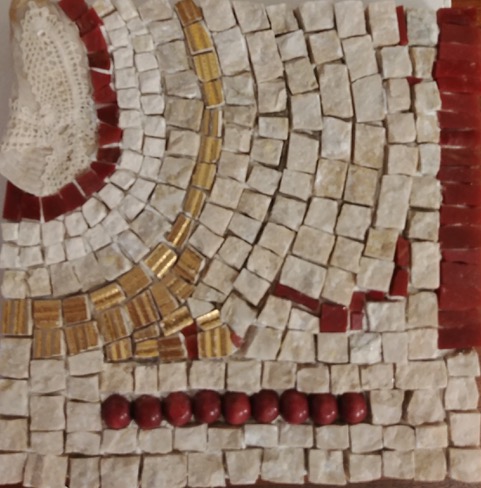
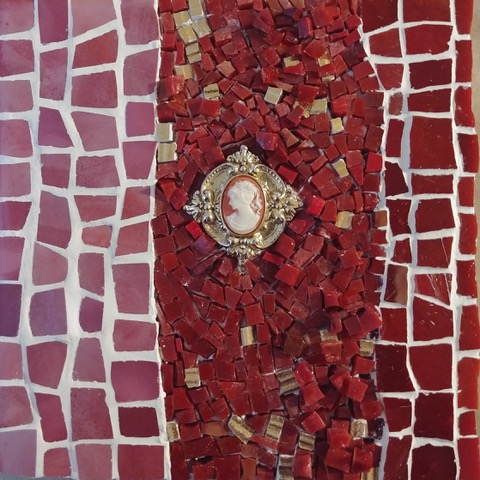
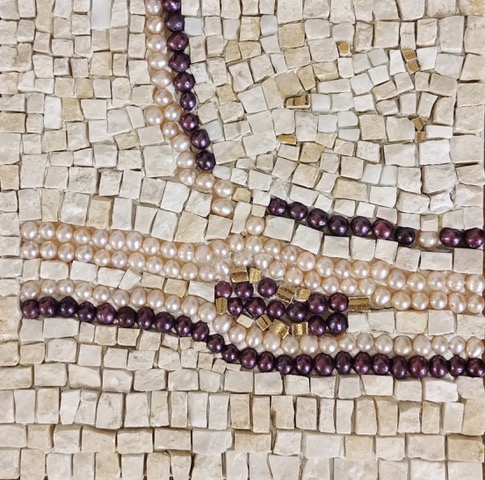
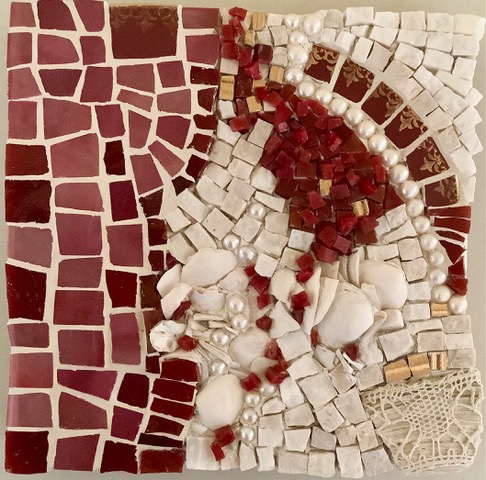
The mosaics stem from a reflection on the thousands of elderly people lost during the pandemic. Behind the numbers are singular lives, stories, memories, bonds and objects that accompanied these people over time. The fragmentation inherent to mosaic becomes here a metaphor for memory. Fragments of glass, porcelain, lace, pearls or found objects are assembled, juxtaposed and transformed to bring intimate worlds into being. Each fragment carries a trace, real or imagined, of a story that is no longer accessible. The works thus evoke the memories that persist after the loss of a loved one. For when a person passes away, part of their story disappears with them, but certain fragments of that life continue to dwell in those who remain: an image, an object, a sensation, a gesture, an encounter.
In this work, assembling fragments becomes a gesture of memory and repair. What was scattered finds a new form. Each mosaic becomes a quiet tribute to fragile and precious lives, and also a reflection on what we keep of others and on what, through them, continues to live in us.
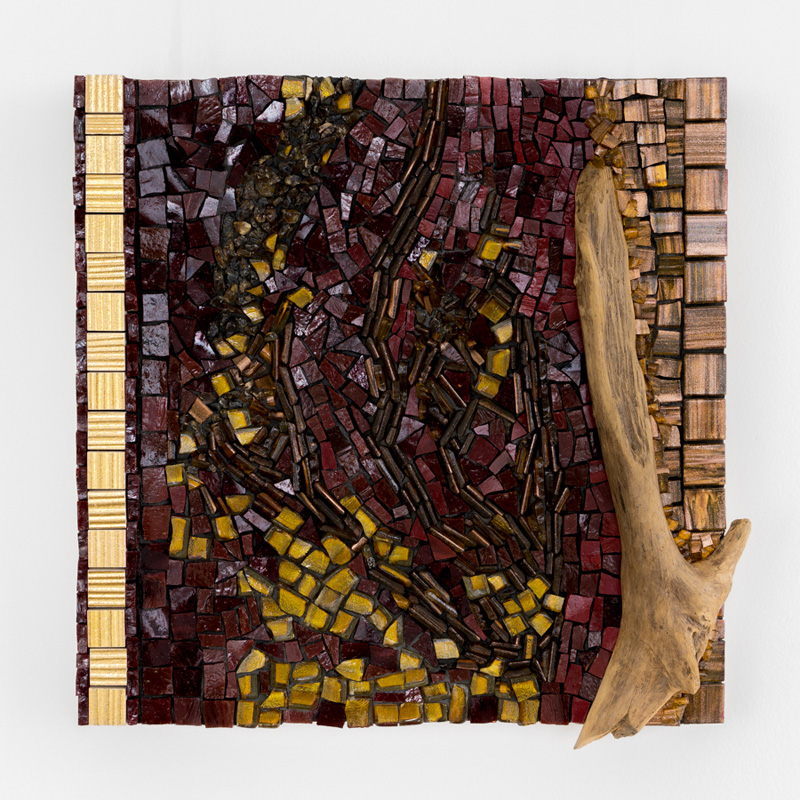
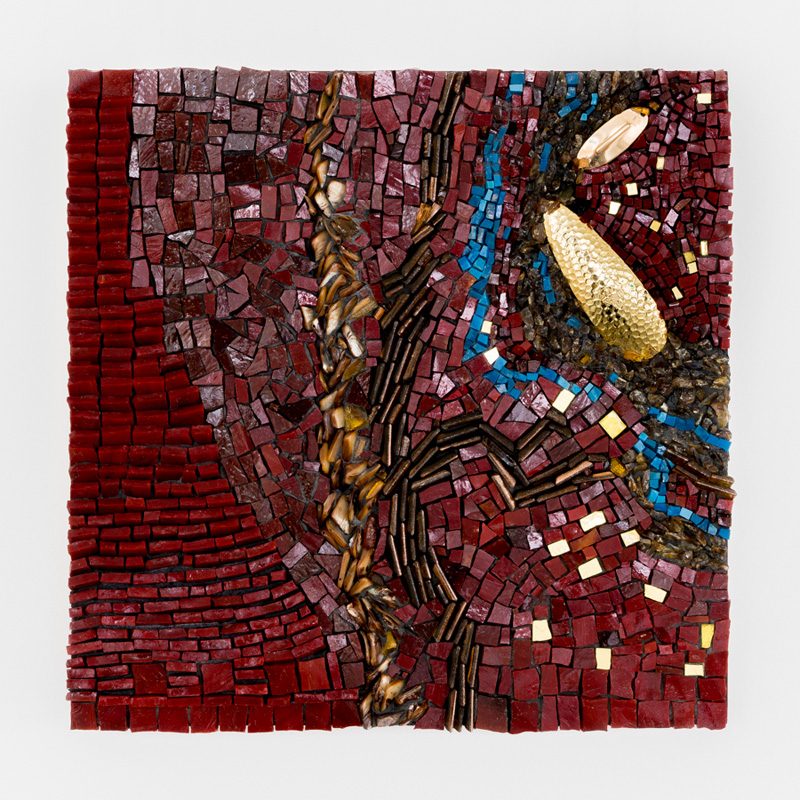
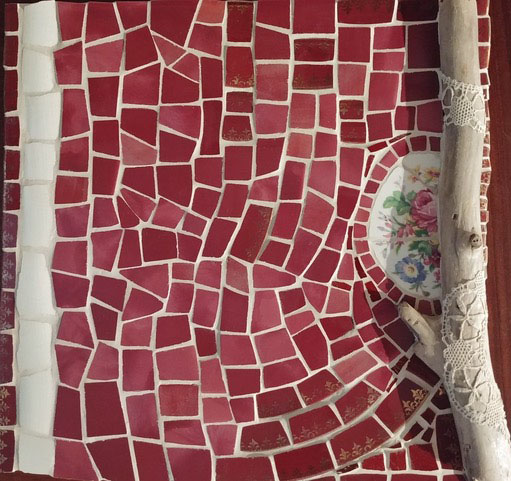
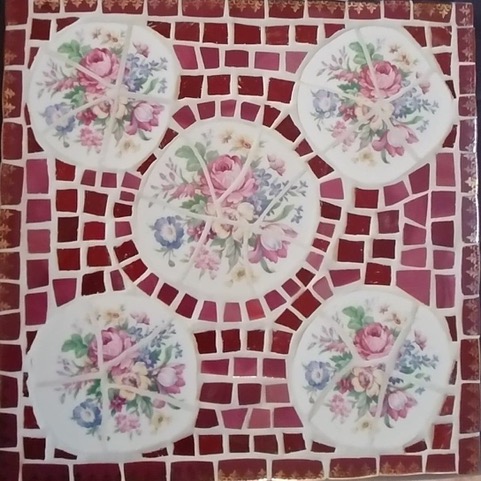
31W × 31H cm
In these paintings, memory is built from fragments. Forms, textures and traces of colour emerge, overlap and sometimes fade, like memories whose image changes over time. Matter becomes a place of passage between the real and the imagined. The compositions evoke inner landscapes, familiar or dreamed places, but also states of presence and absence. What appears is never entirely defined: spaces are built in the in-between, letting surface what persists when memory slips away. Through this tension between appearance and erasure, these works question how memory preserves, transforms and reinvents what has been lived.
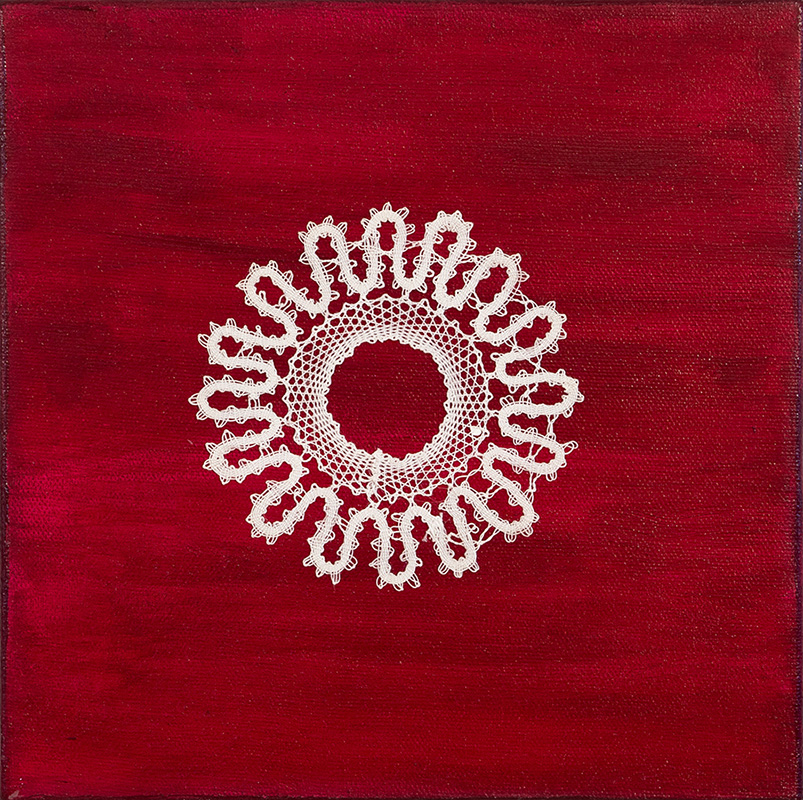
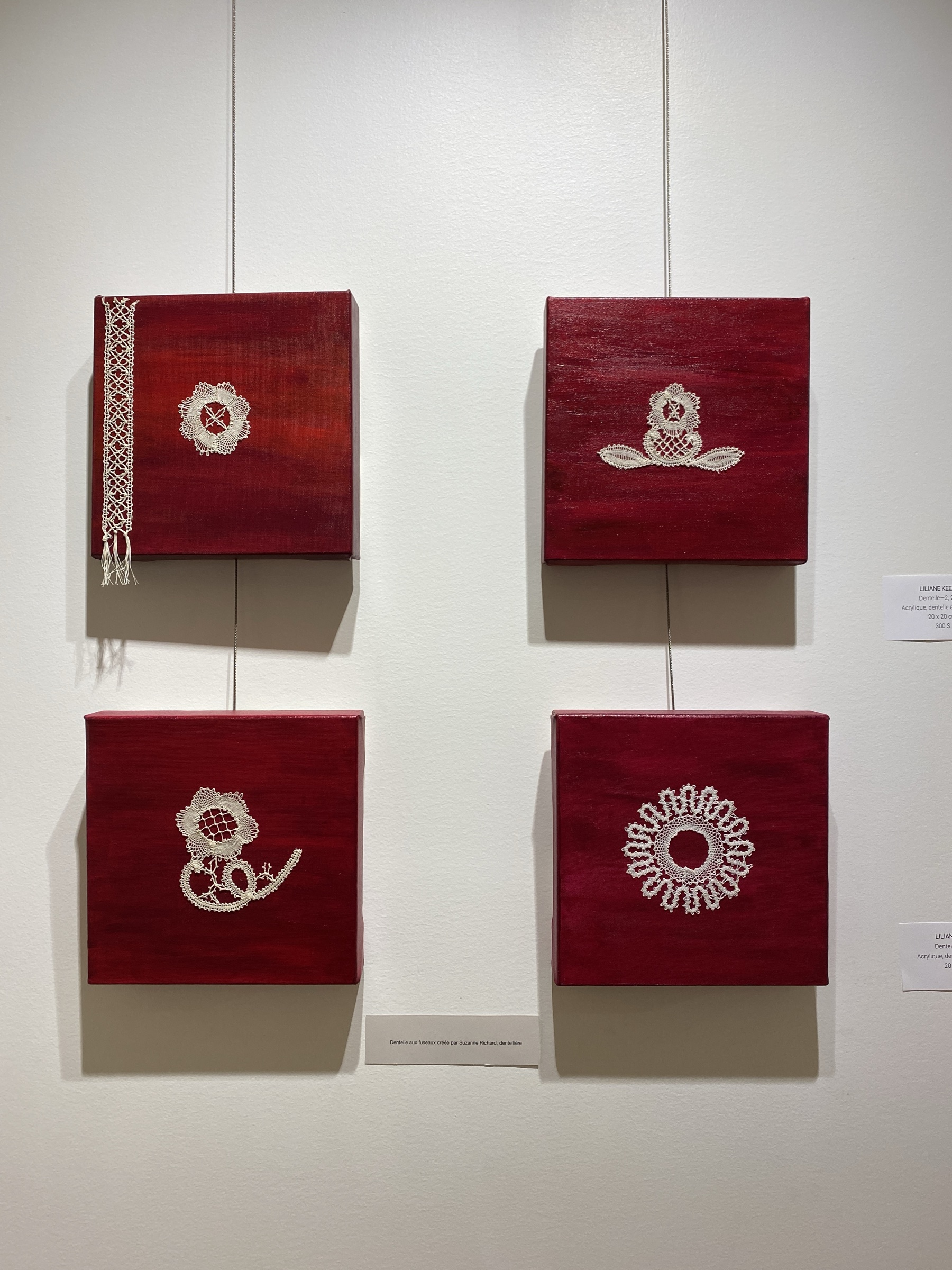
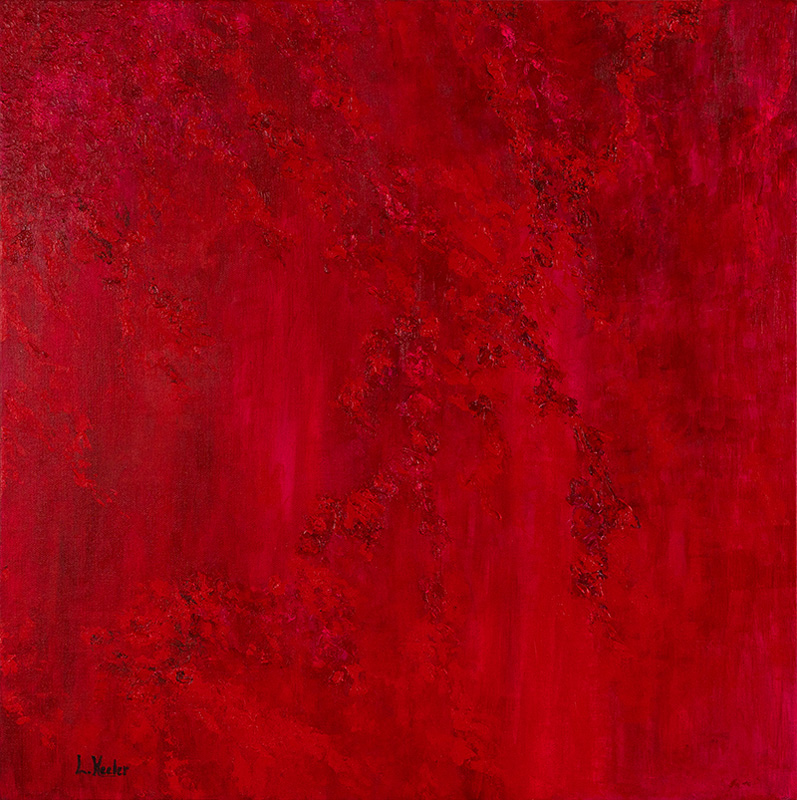
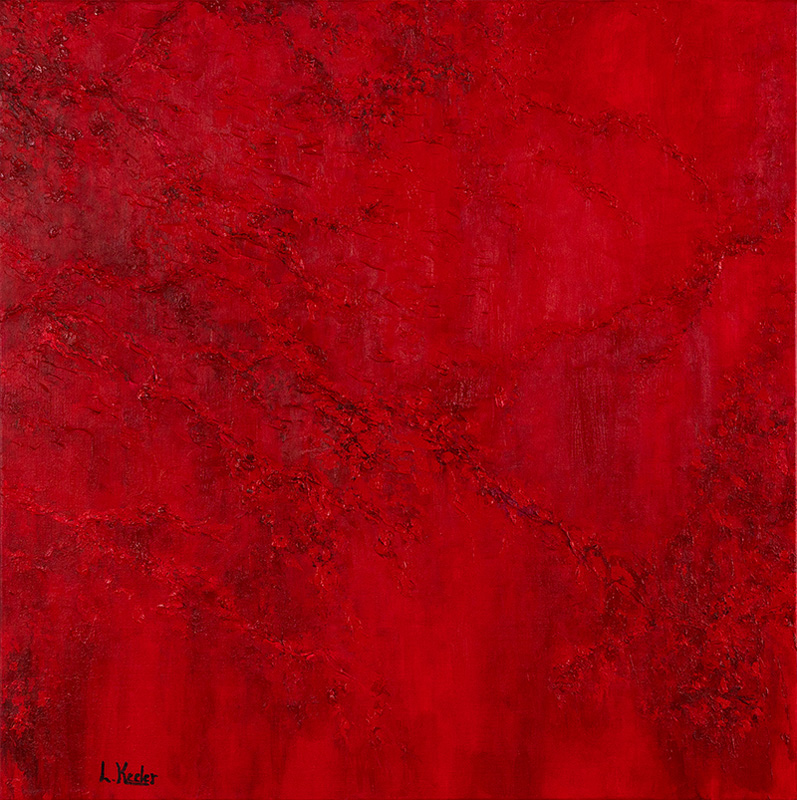
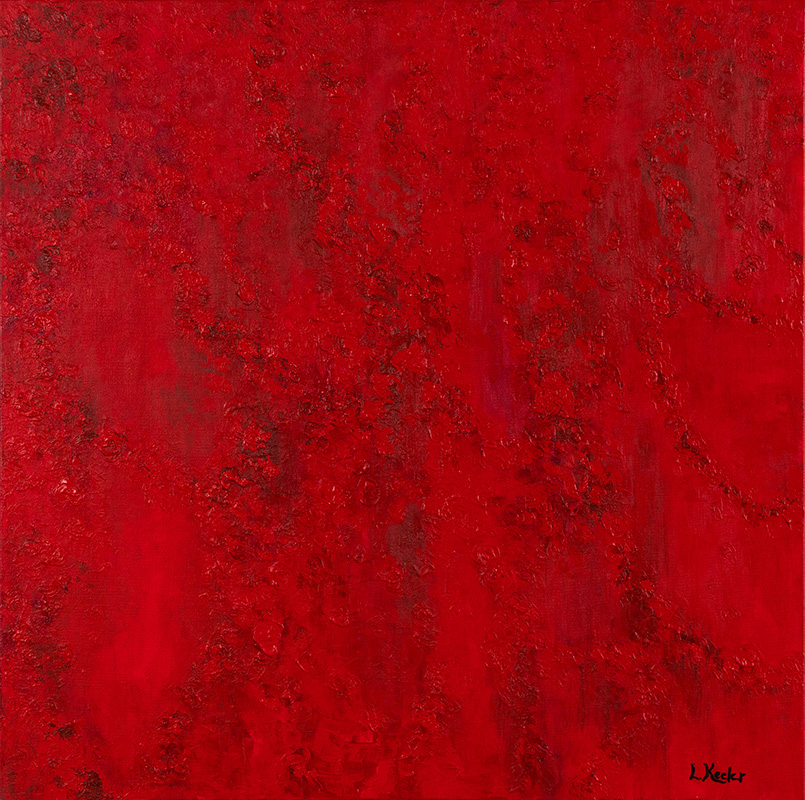
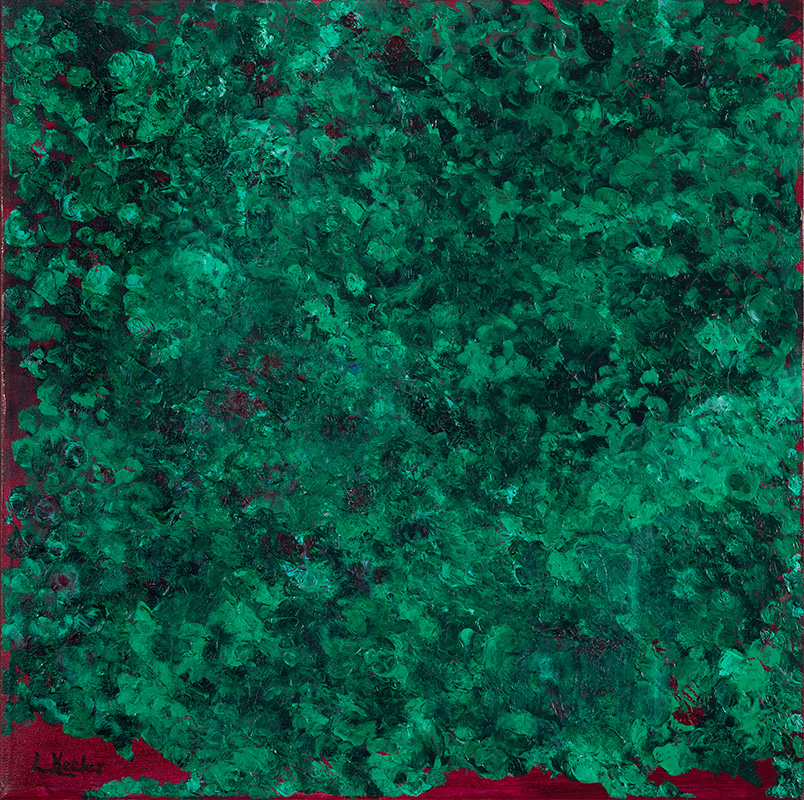
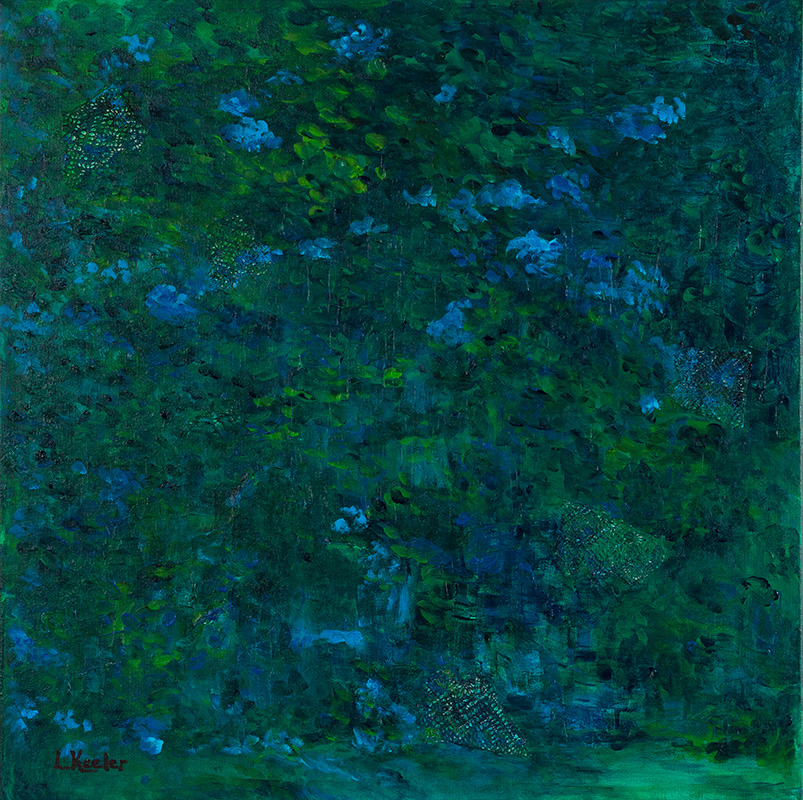
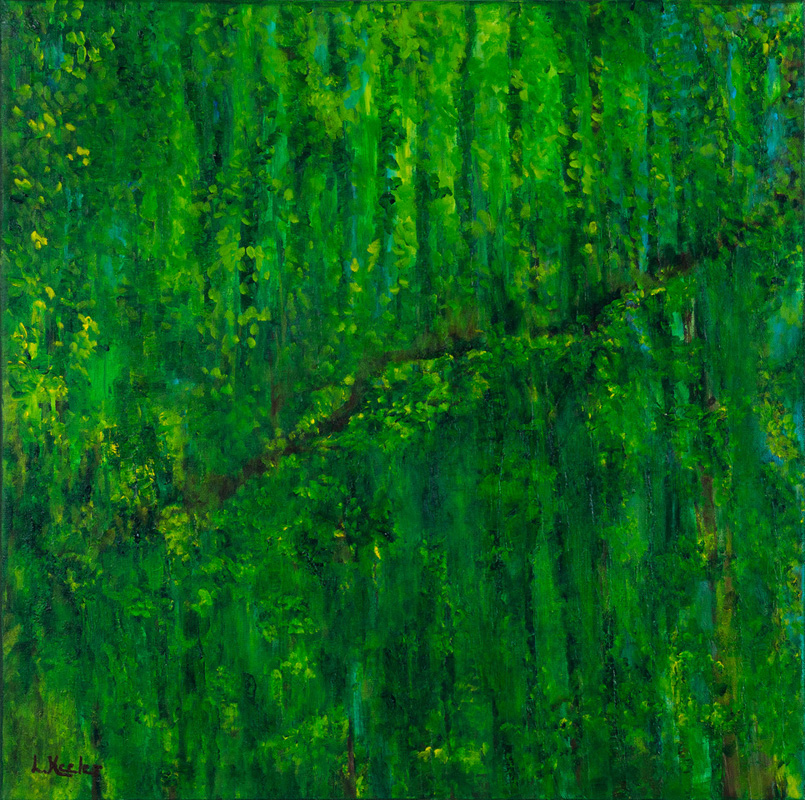
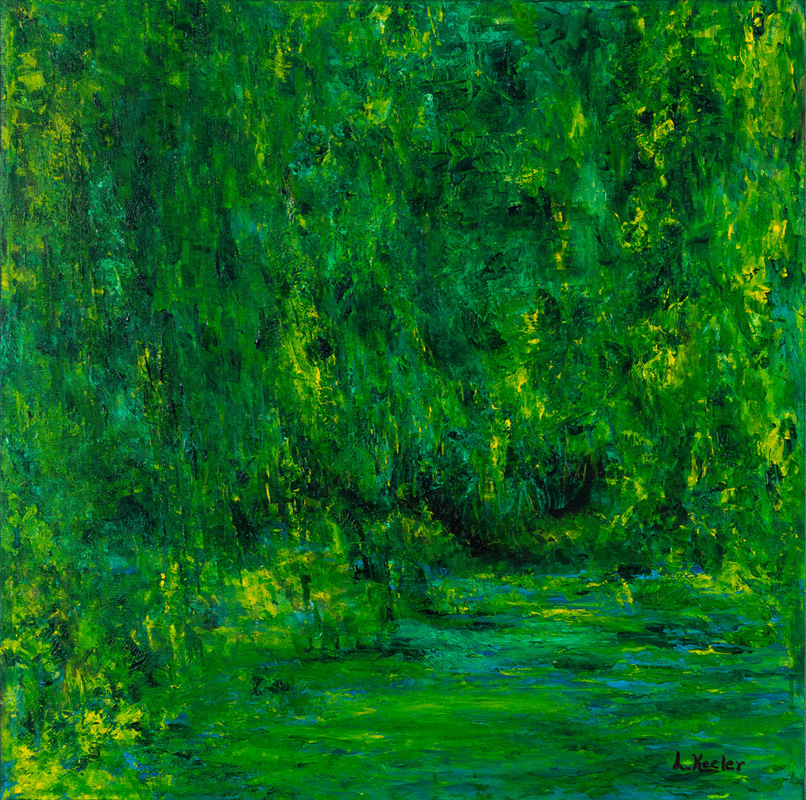
Acrylic — 51H × 51W cm
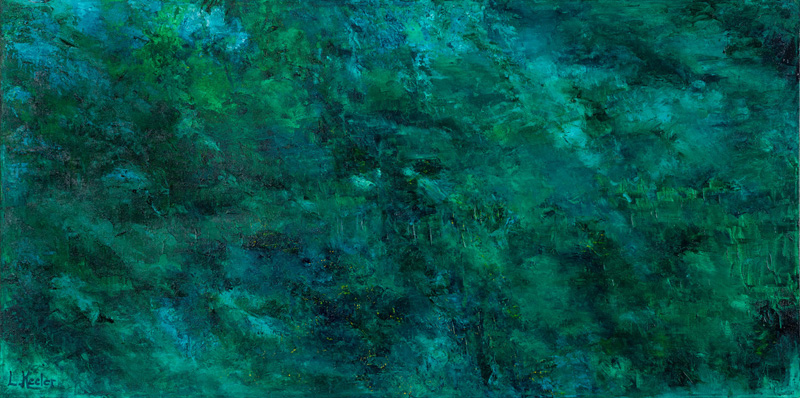
Photos: Jean-Michaël Seminaro
Sérénissime
Sérénissime was created during the pandemic, when the mask had become at once an object of protection, of isolation and of transformation in how we relate to one another. Inspired by the Venice Carnival mask, the work brings two distant realities into dialogue: the mask that once concealed identity so that one could be revealed differently, and the one that, during the pandemic, covered the face for protection.
This meeting of the Venetian mask and the face mask evokes a period when faces faded behind the same object, blurring bearings and identities. Within Thousands of Roses, Sérénissime thus takes on a particular dimension: it reminds us that behind every masked face, every absence and every number there is a person, a story, a singular life.
Created for the virtual exhibition Flying Masks, the work was shown at the University of Fine Art, Buenos Aires, at the Maison de la mosaïque contemporaine in Paray-le-Monial, France, and then as part of Portraits of Resilience at the Art Gallery of Ontario in Toronto.
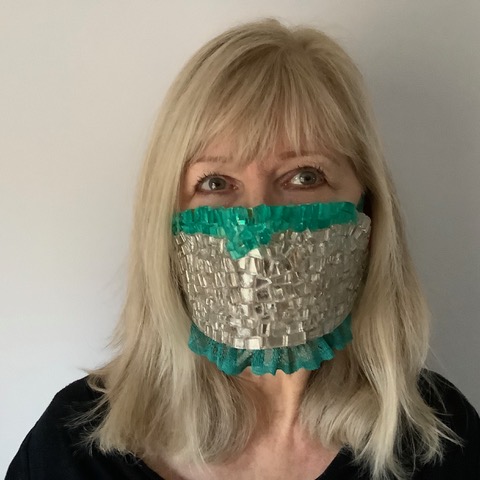
Photo: Liliane Keeler