Born from an immobilized body following a femur fracture, The Story of a Fall explores convalescence as an experience of transformation and reconstruction. Rather than treat it as a mere interlude, I wanted to inhabit it as a space of inquiry: how can fragility become a place of renewal?
The exhibition brings several media into dialogue to question the visible and invisible forms of healing. Far from erasing fractures, it seeks to reveal what they make possible: a space of memory, reflection and renewal. It unfolds in three parts that follow the journey of the body: from immobilization to rehabilitation, then to a form of reappropriation.
This exhibition was supported by the Conseil des arts et des lettres du Québec (CALQ).

Journal of an Immobilization
The installation consists of a door made of rigid cardboard bearing handwritten excerpts from my personal convalescence journal. These fragments bear witness to a transformed relationship with time, and to the social invisibility of the injured body. Four prints on canvas complete the installation, serving as archives of a body in transition. Together, the door and the images build a narrative space where immobilization, loss of independence and the first forms of resilience meet.
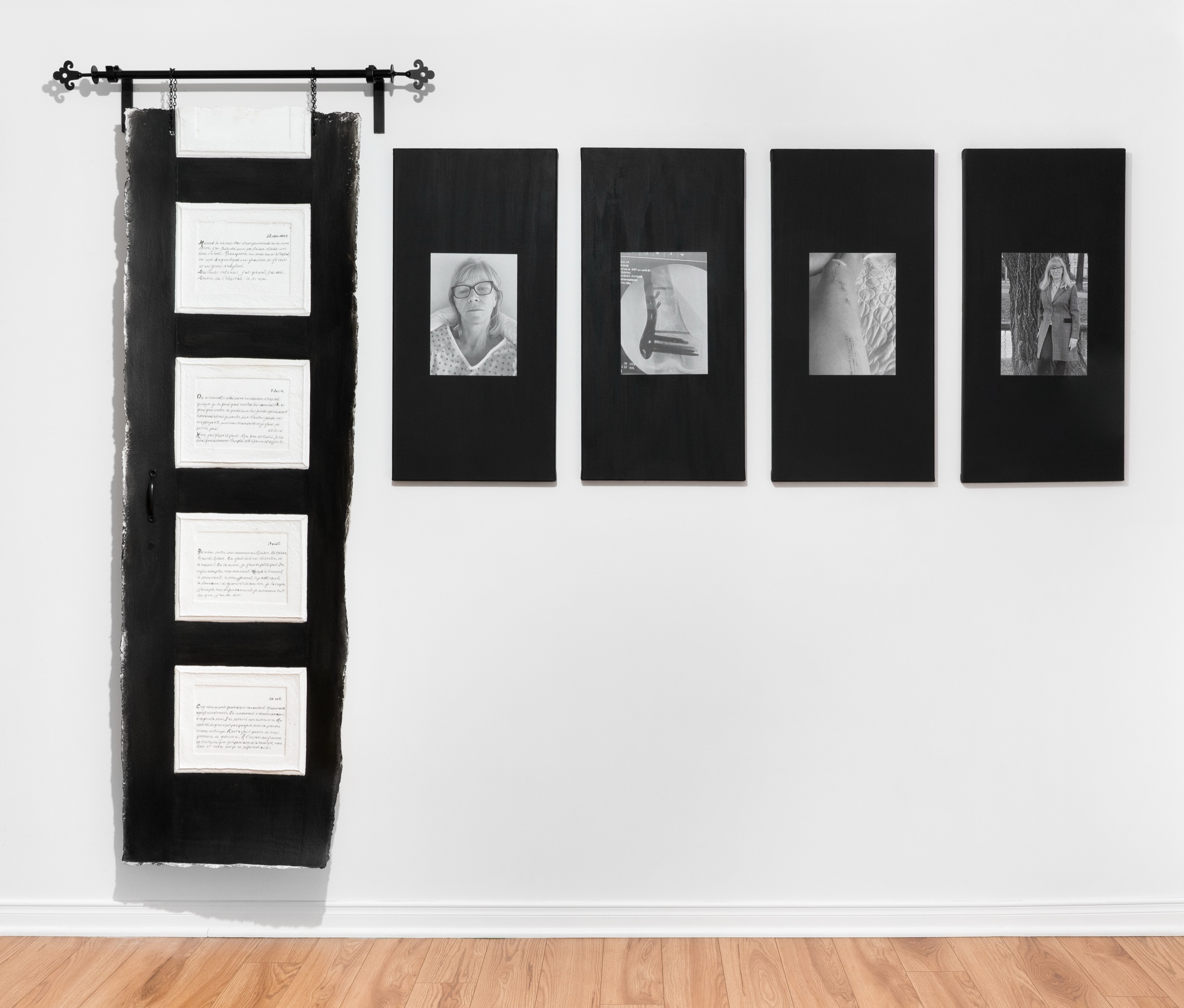
This rigid cardboard door serves as a support for excerpts from my convalescence writings. It carries my handwritten thoughts like an intimate journal made visible. Written directly onto the cardboard, these texts hold the trace of the hand and of time.
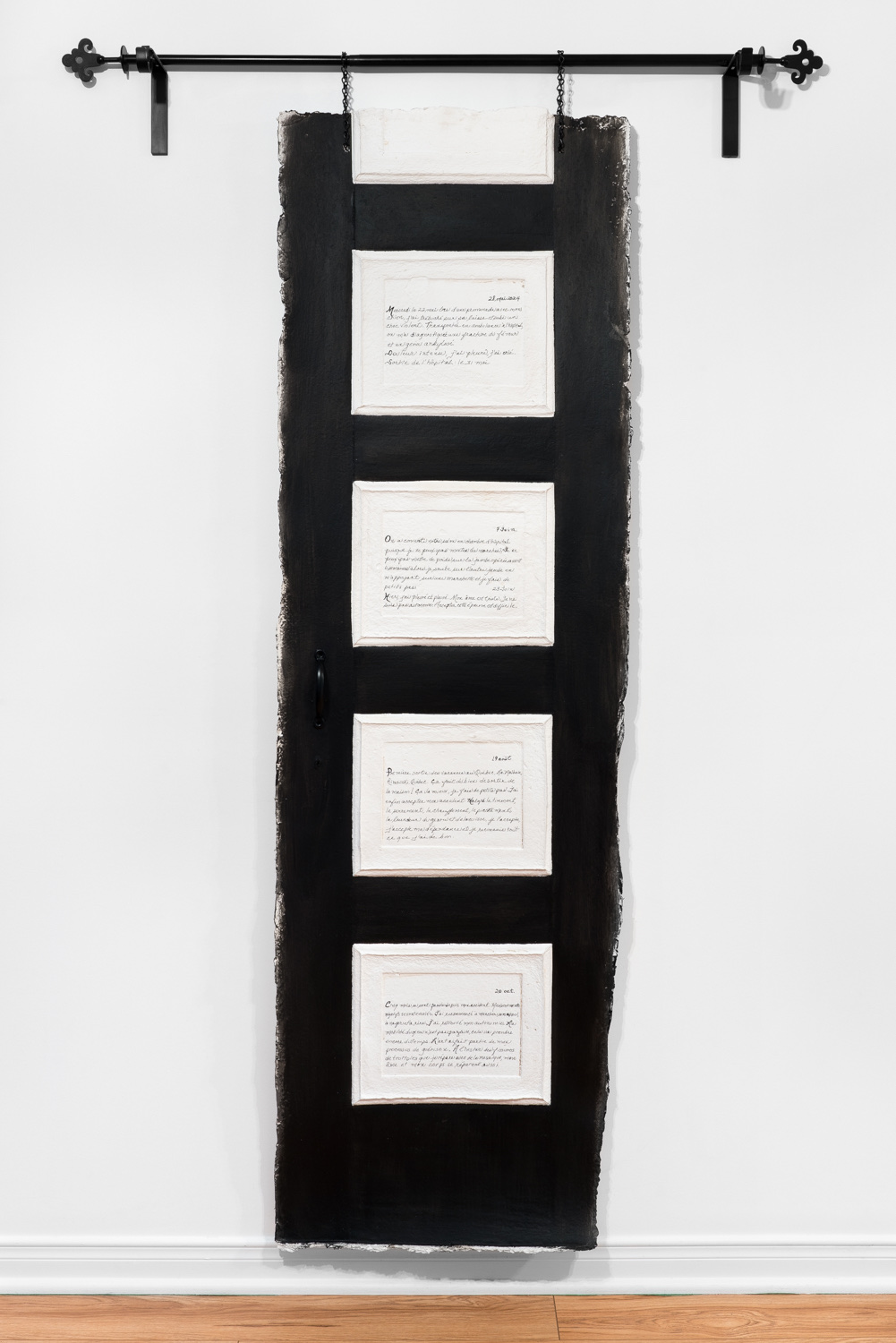
These four prints, mounted on acrylic-painted canvas, serve as archives of a body in transition.
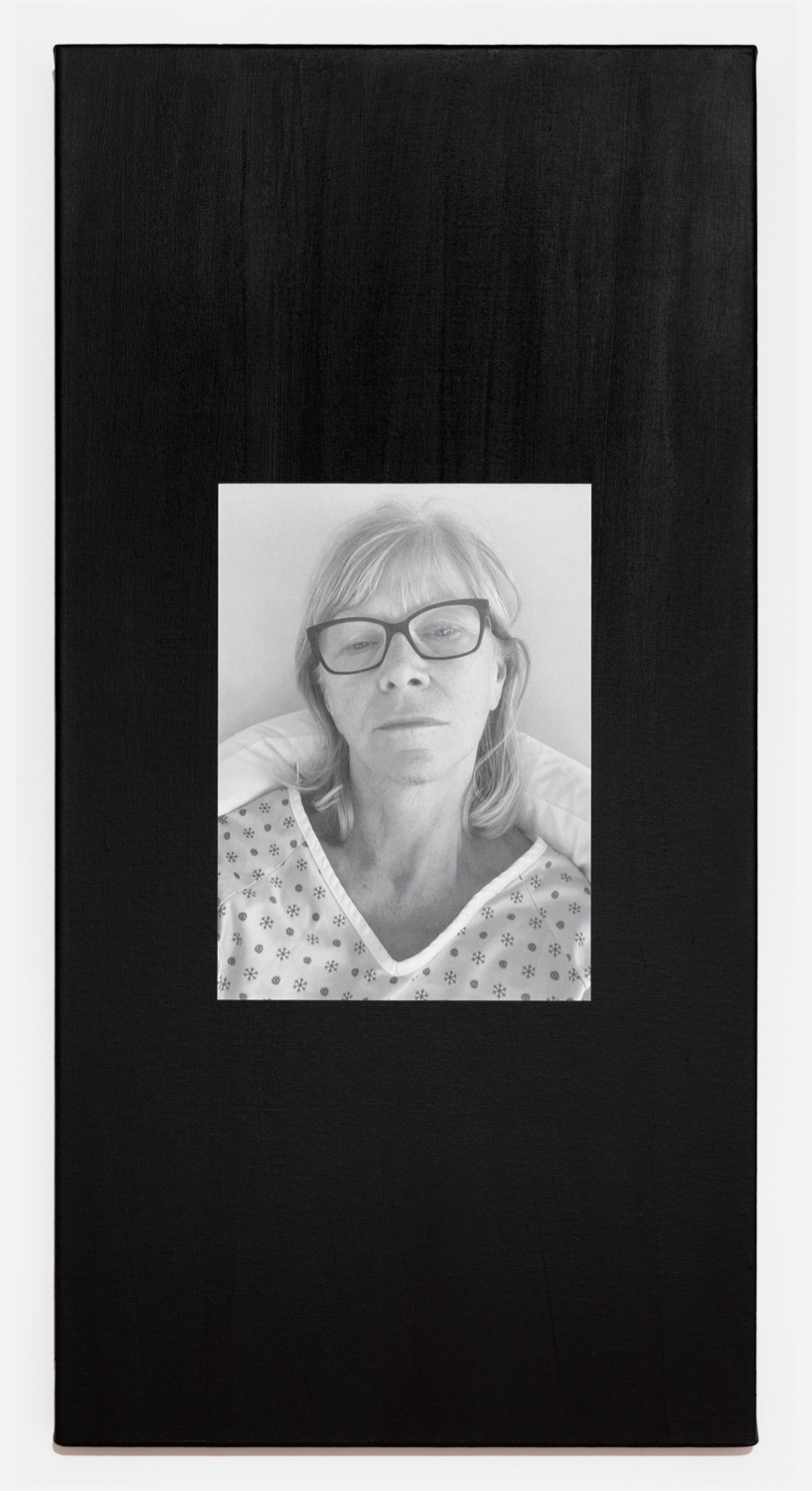
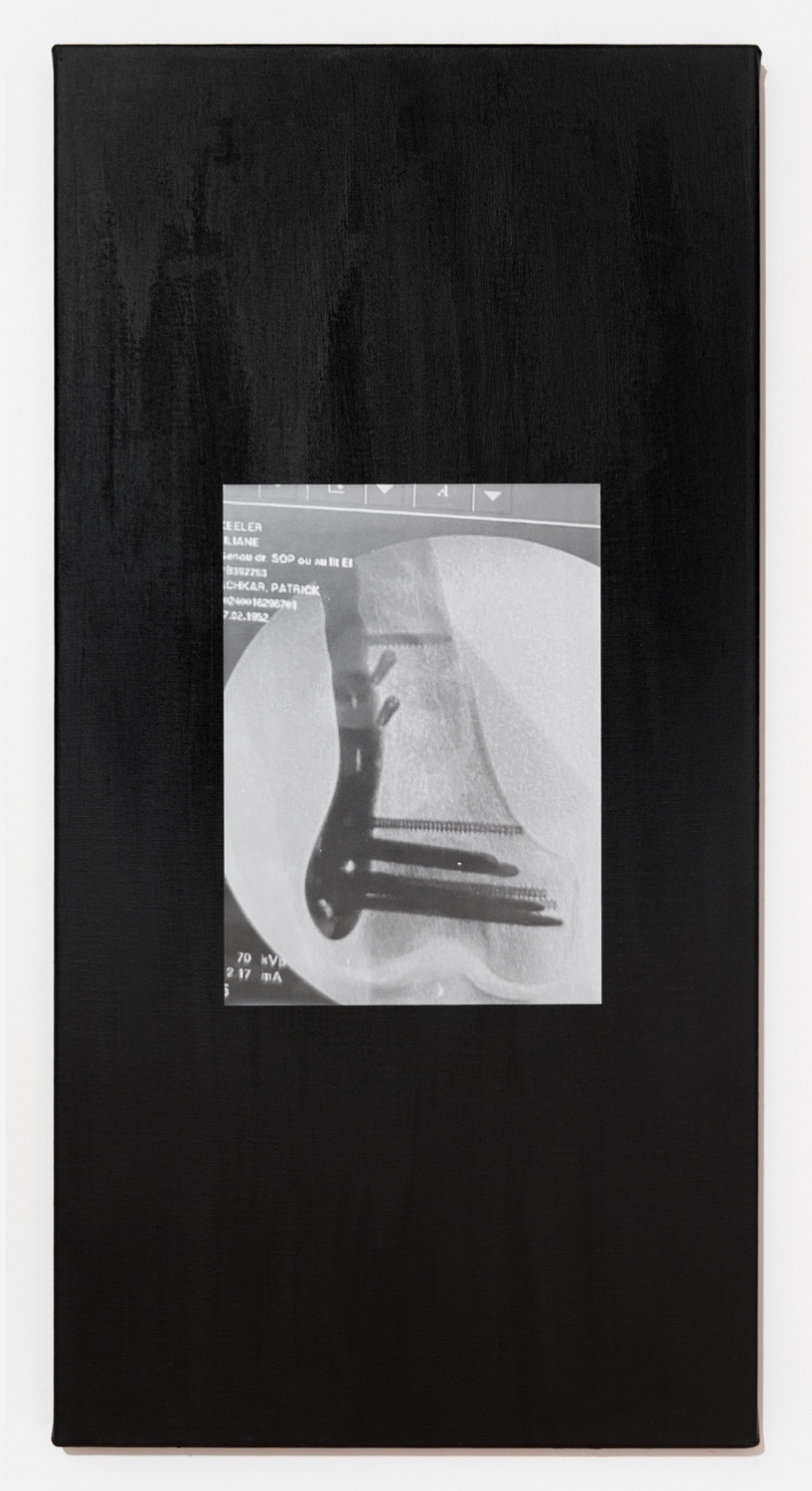
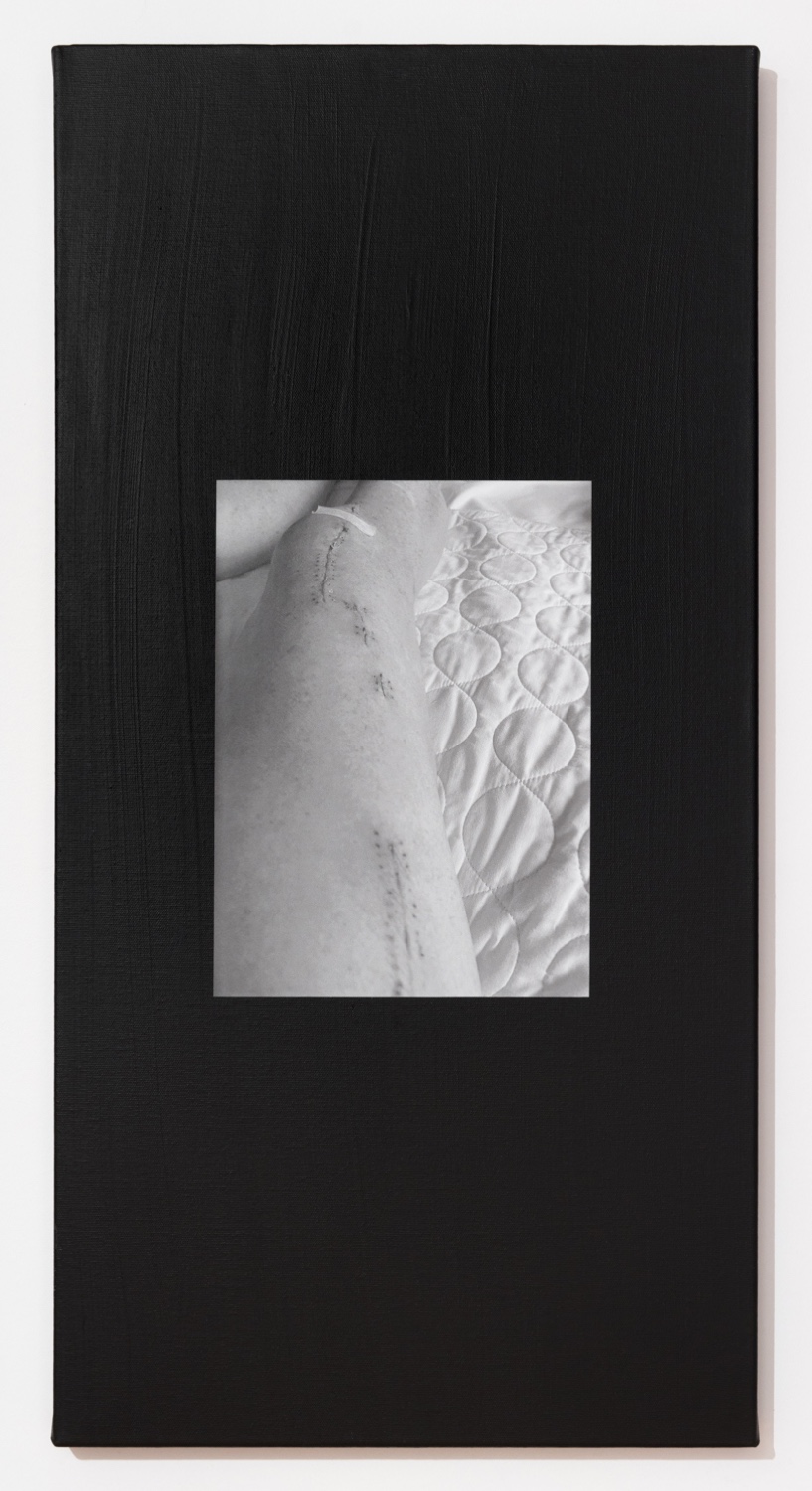
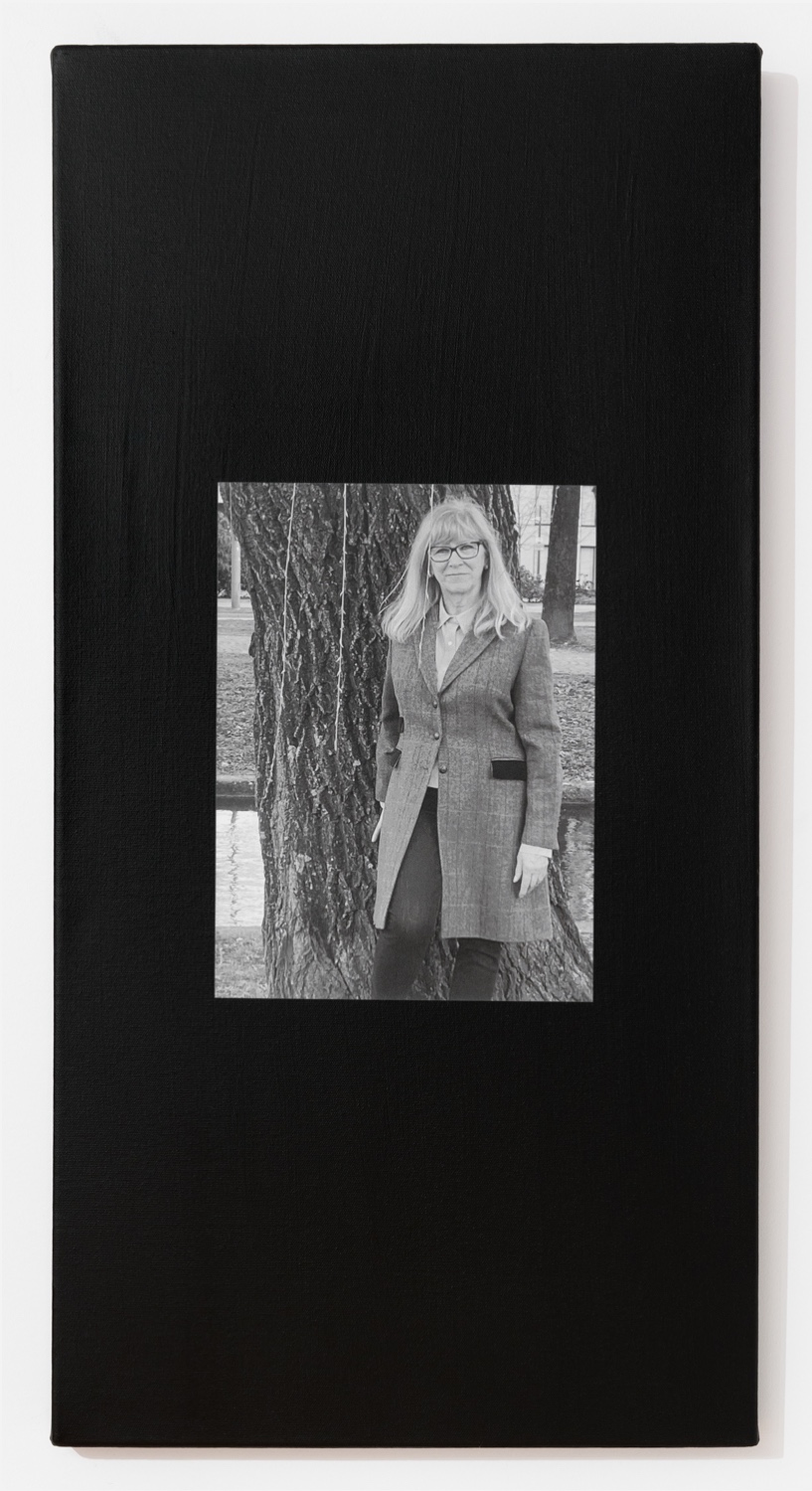
Prints mounted on acrylic-painted canvas — 28H × 20W cm (print), 76H × 25W cm (canvas)
Learning to Walk
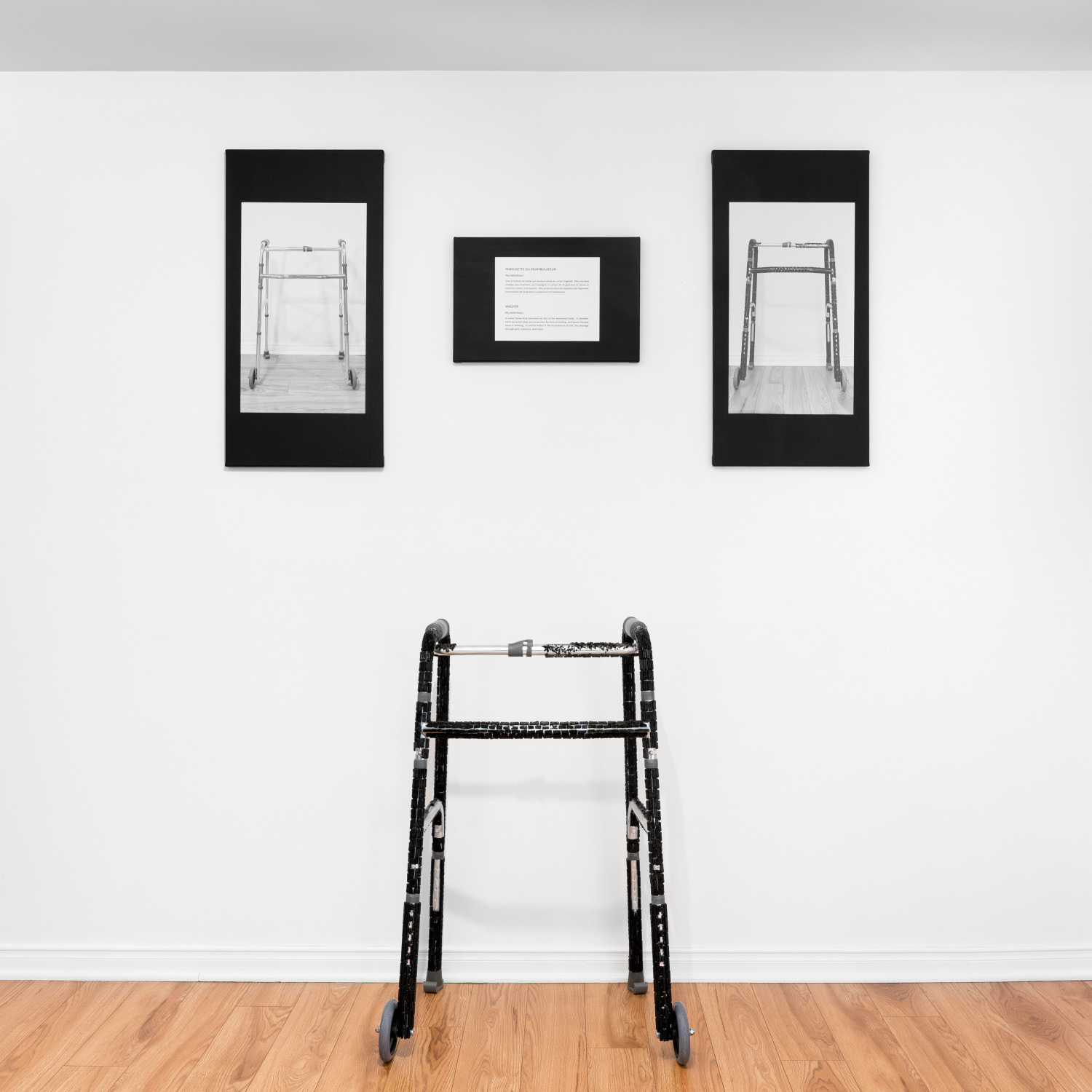
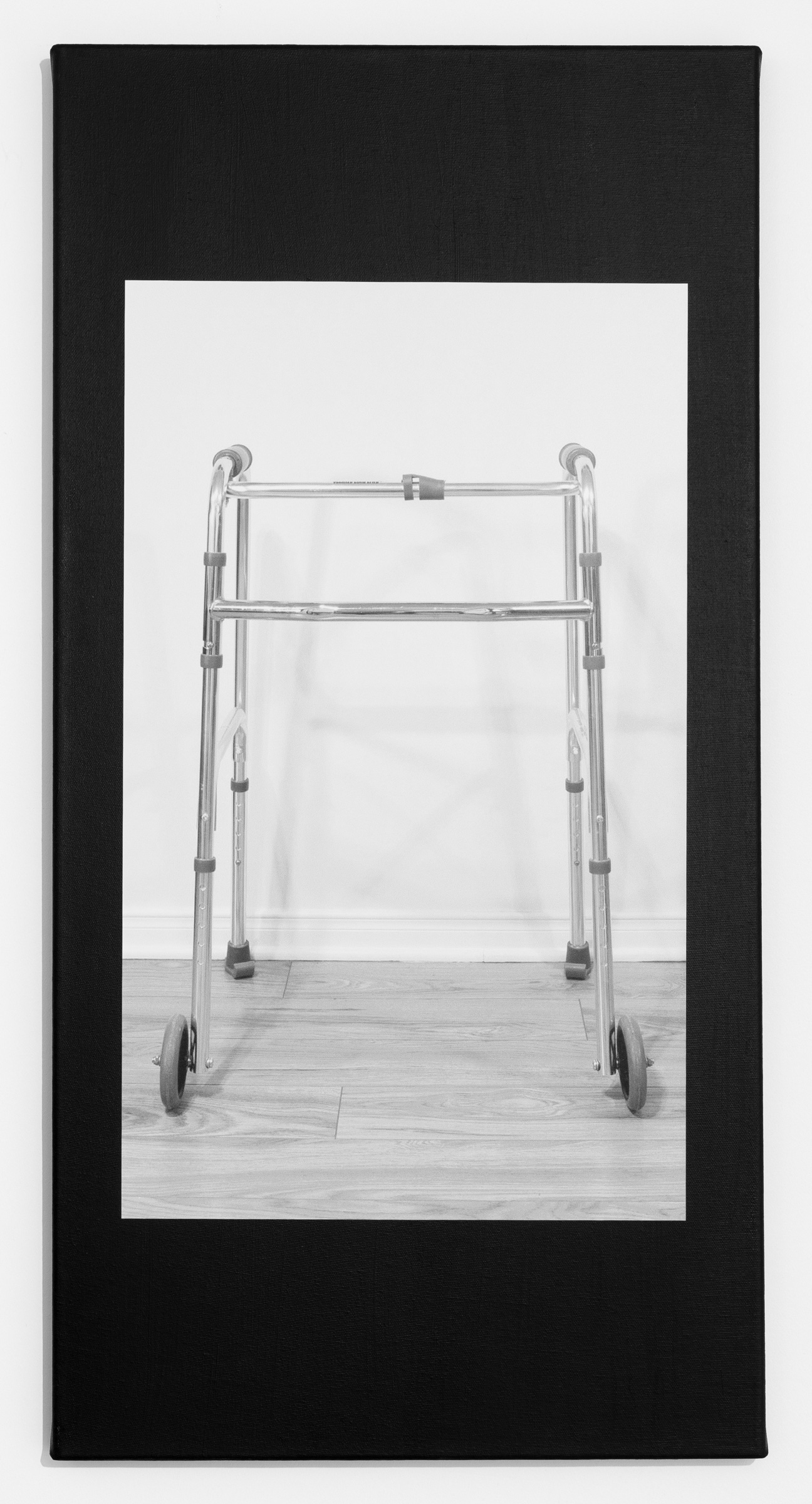
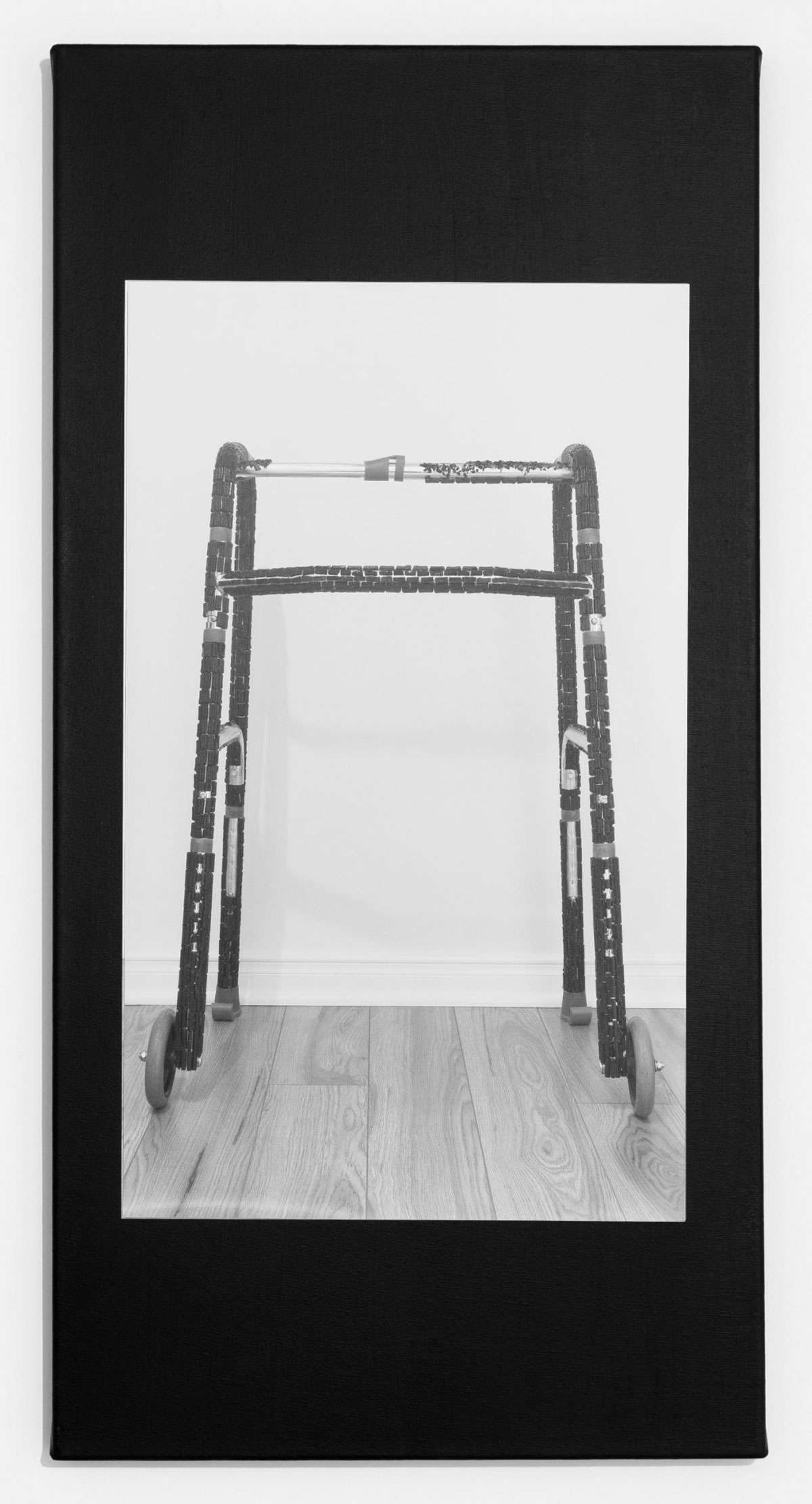
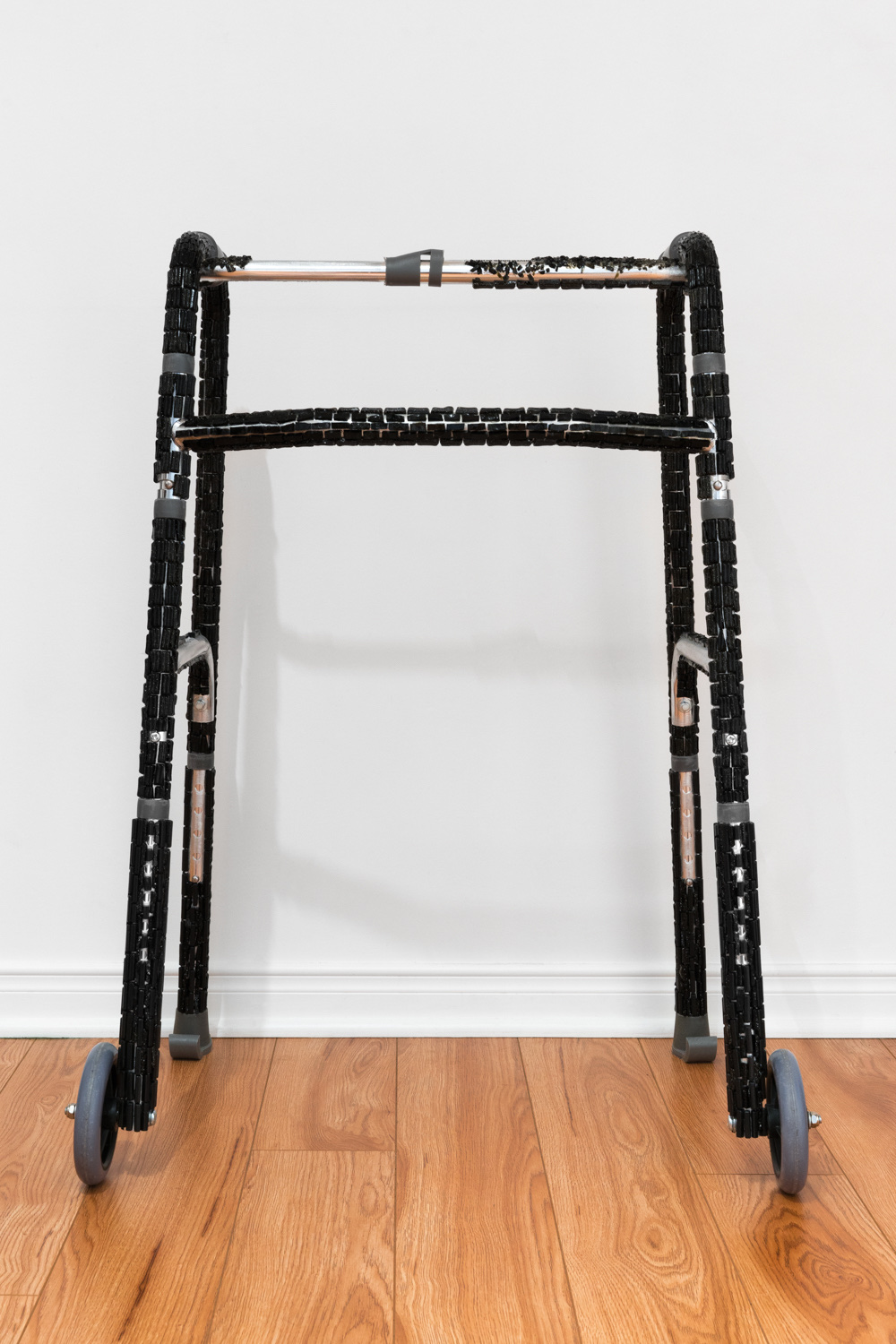
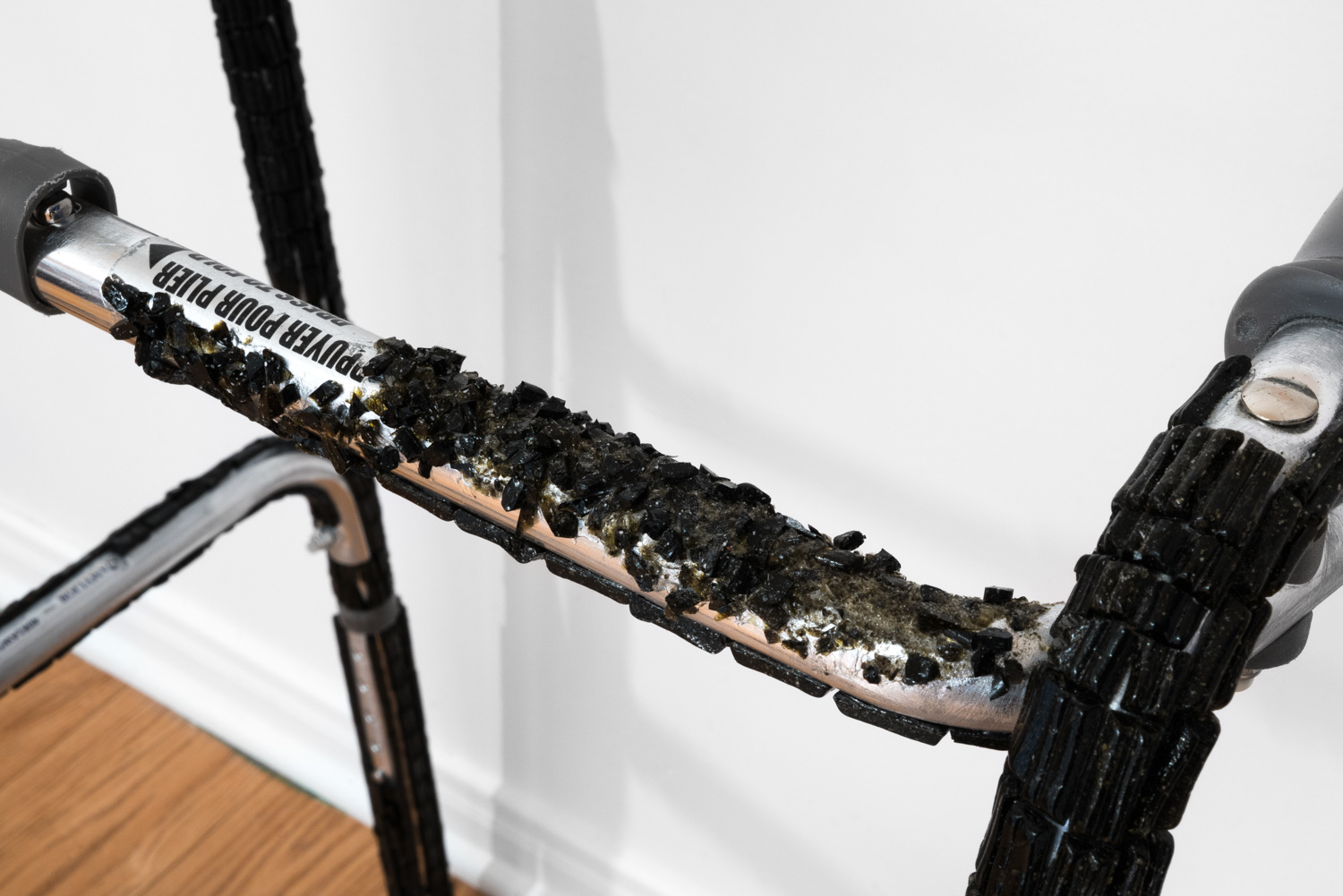
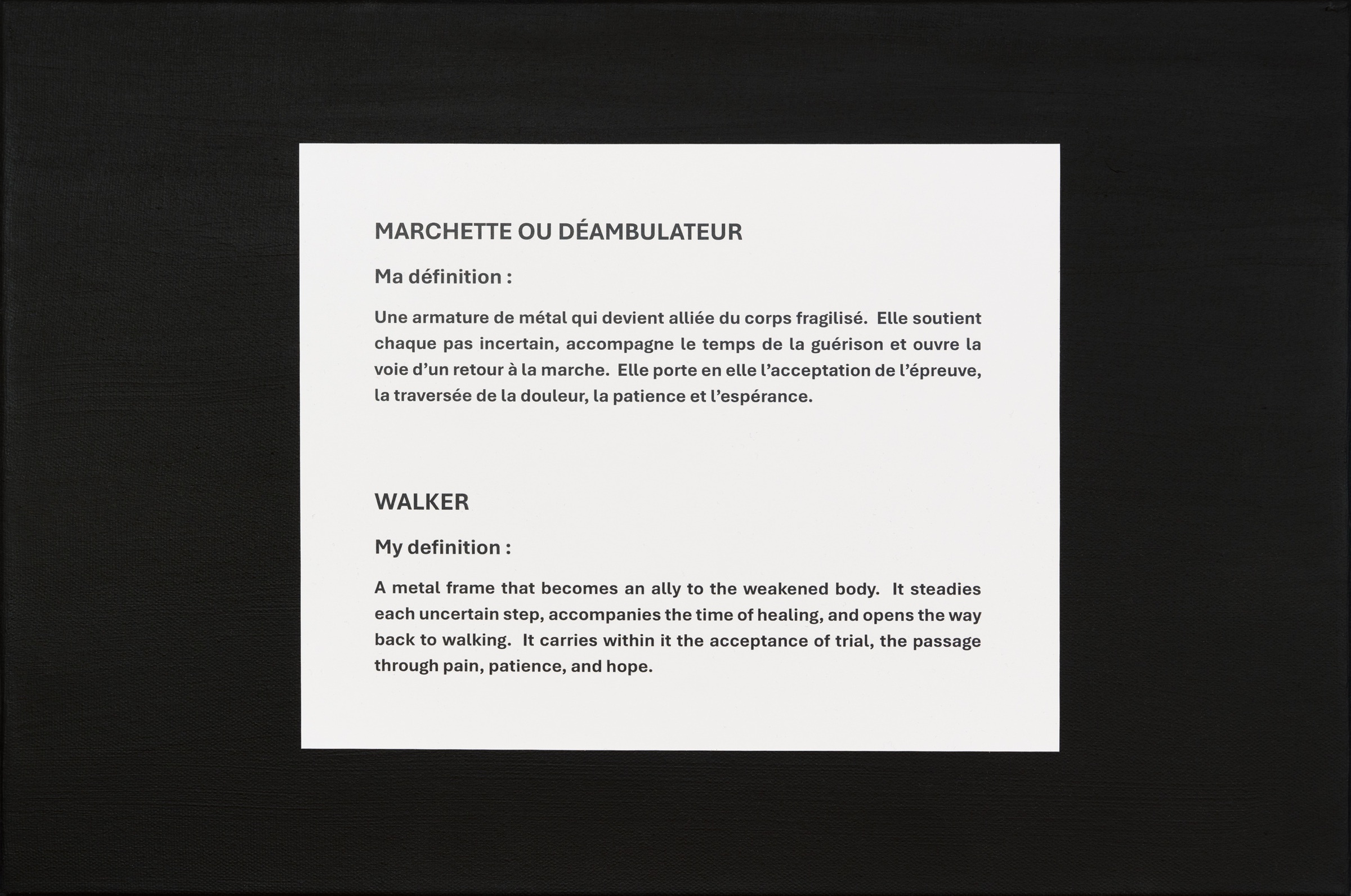
Echoing Joseph Kosuth’s conceptual work One and Three Chairs, the installation One and Four Walkers brings together a walker covered in shards of glass and ceramic. Three prints on canvas accompany the installation and show the walker before and after its transformation. They also convey my own definition of the walker. This shift from the functional to the symbolic sets the fragility of the body in tension with autonomy.
Mending the Invisible
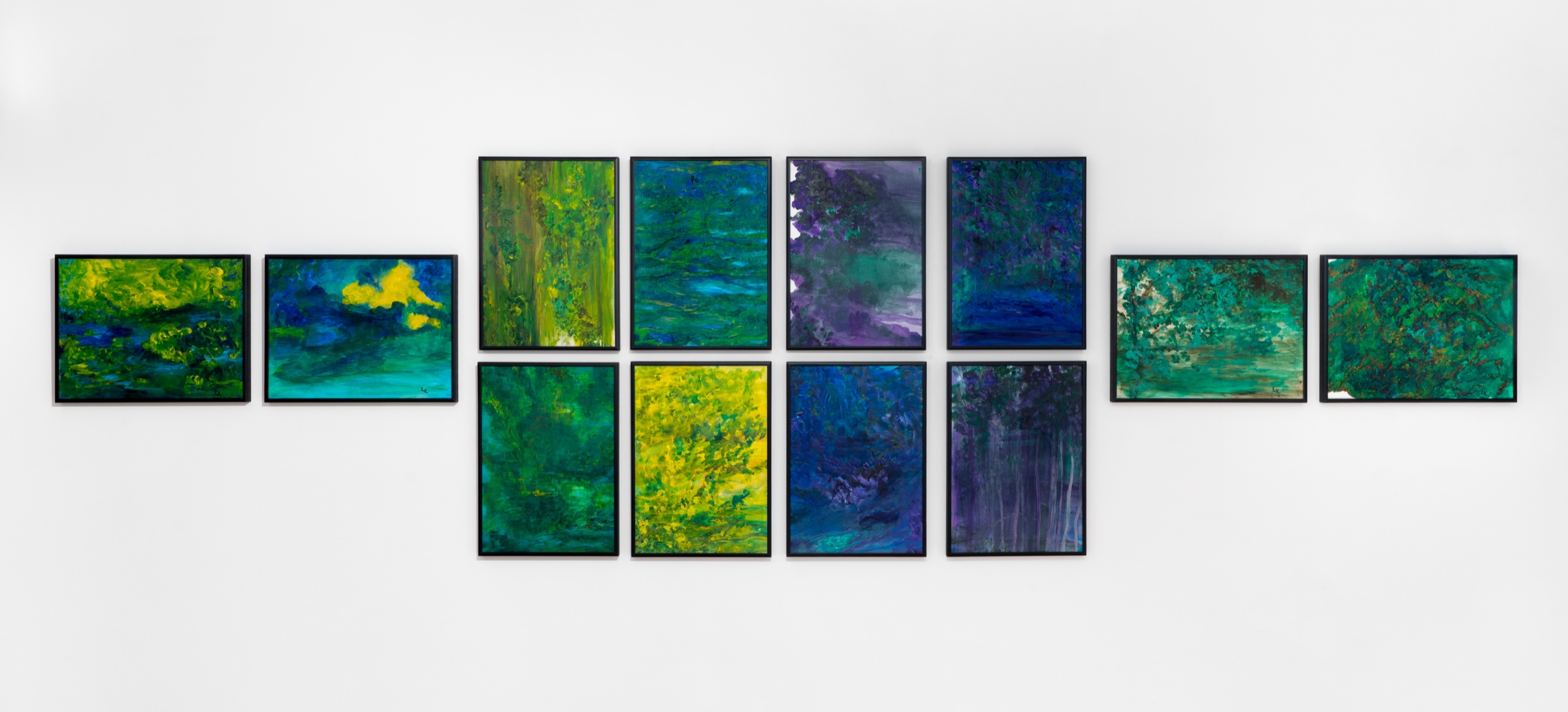
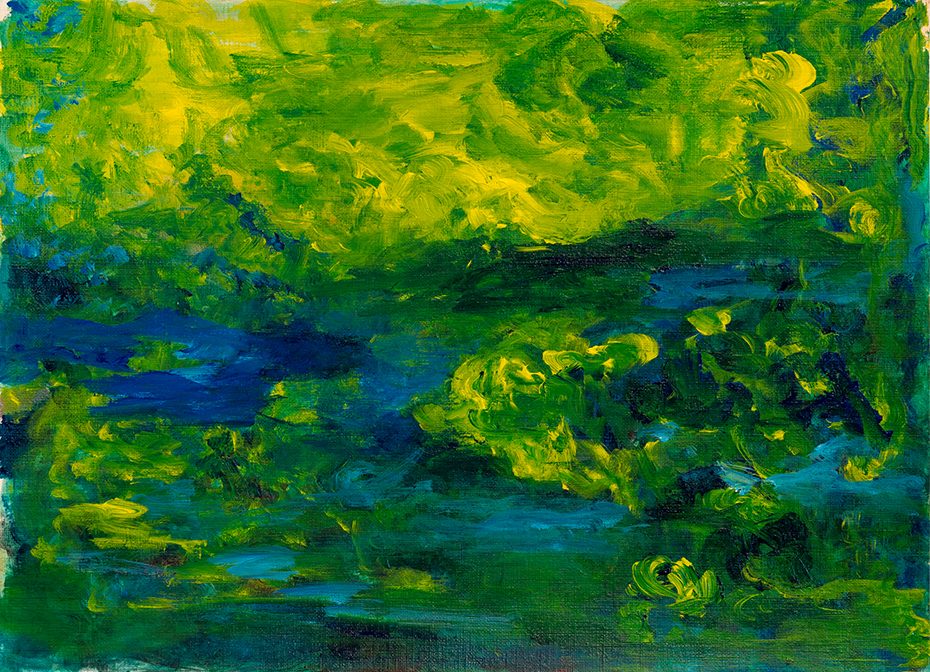
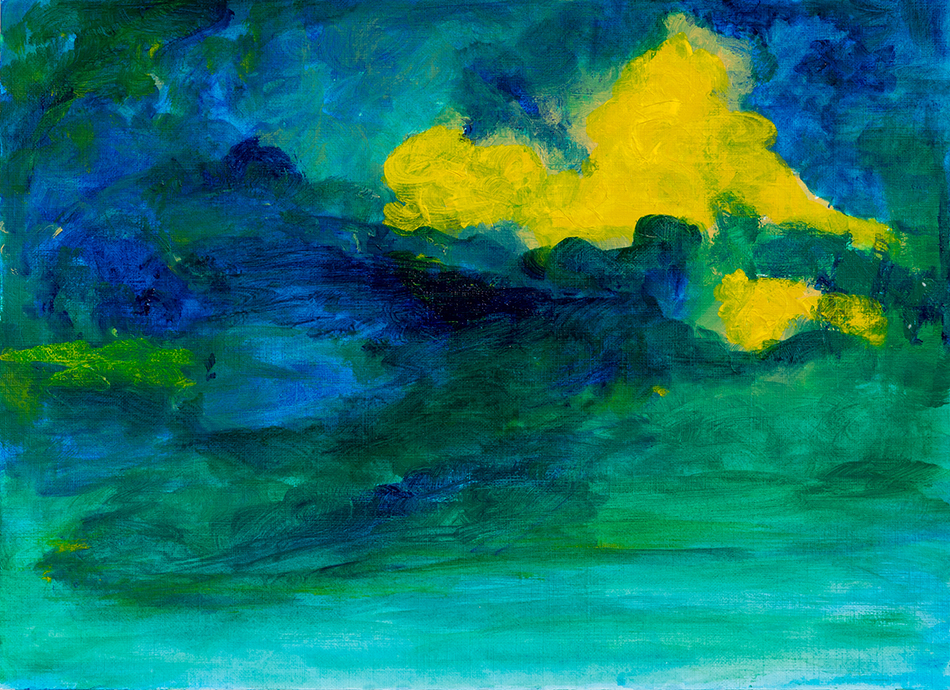
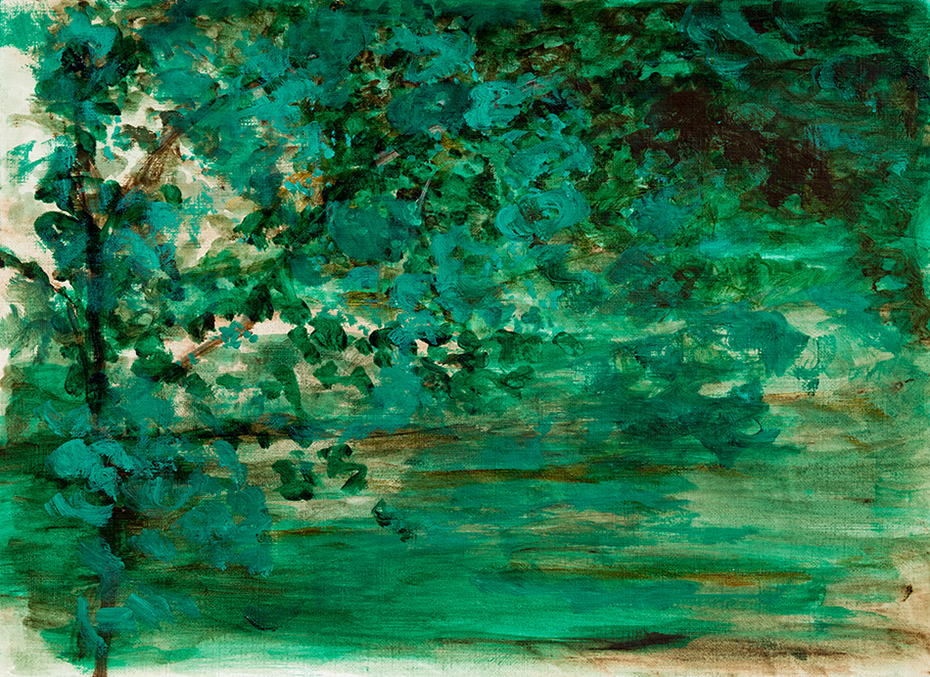
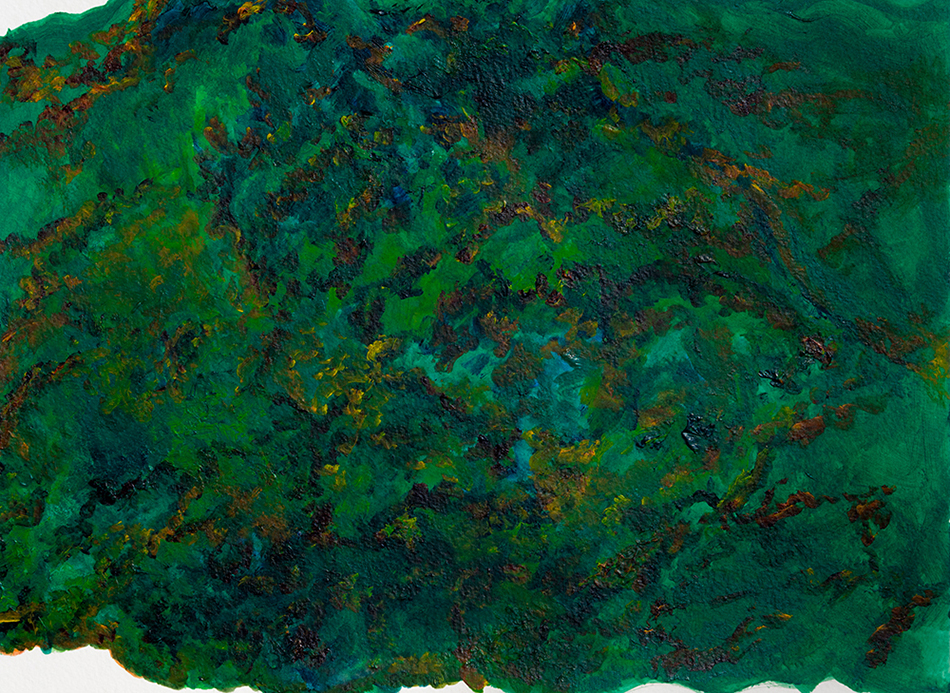
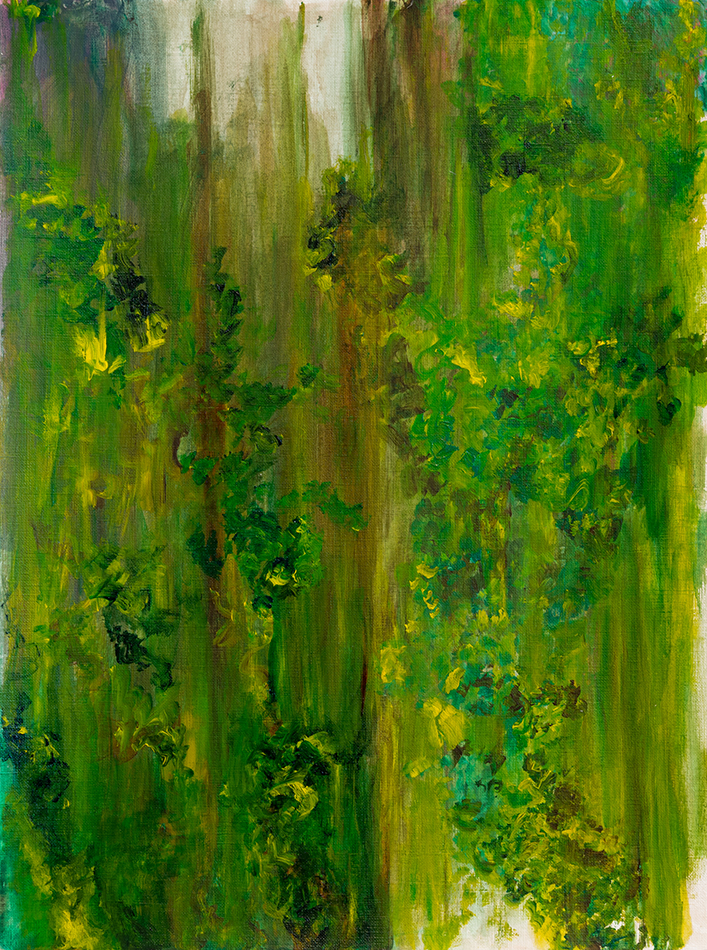
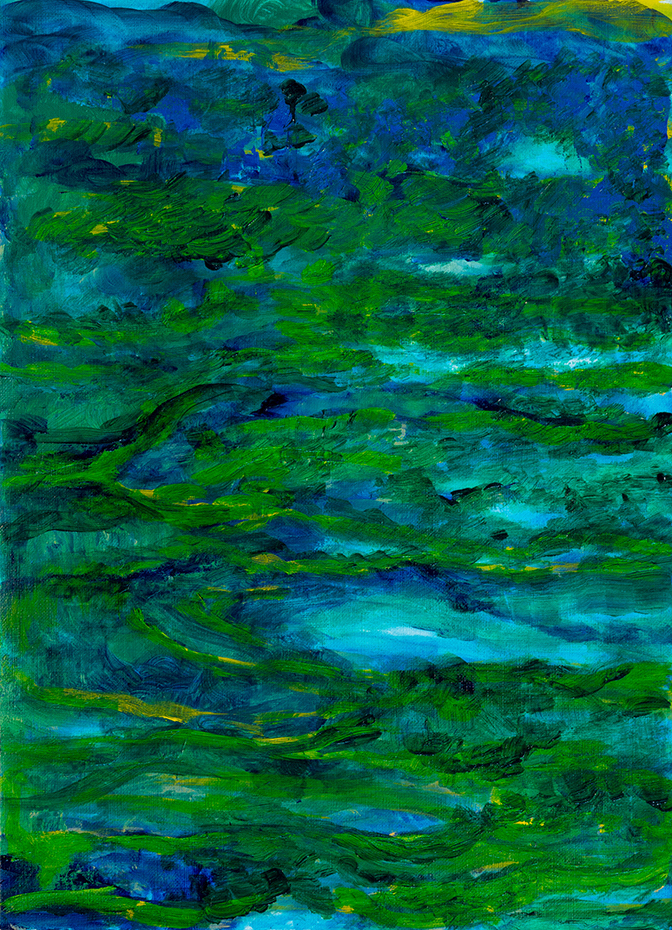
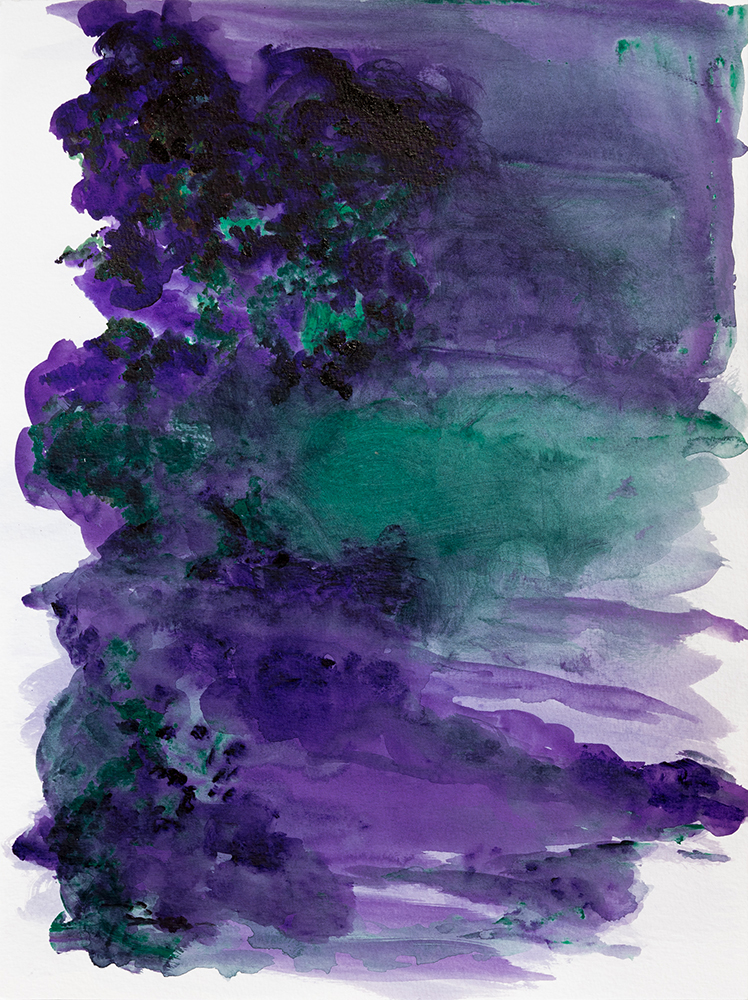
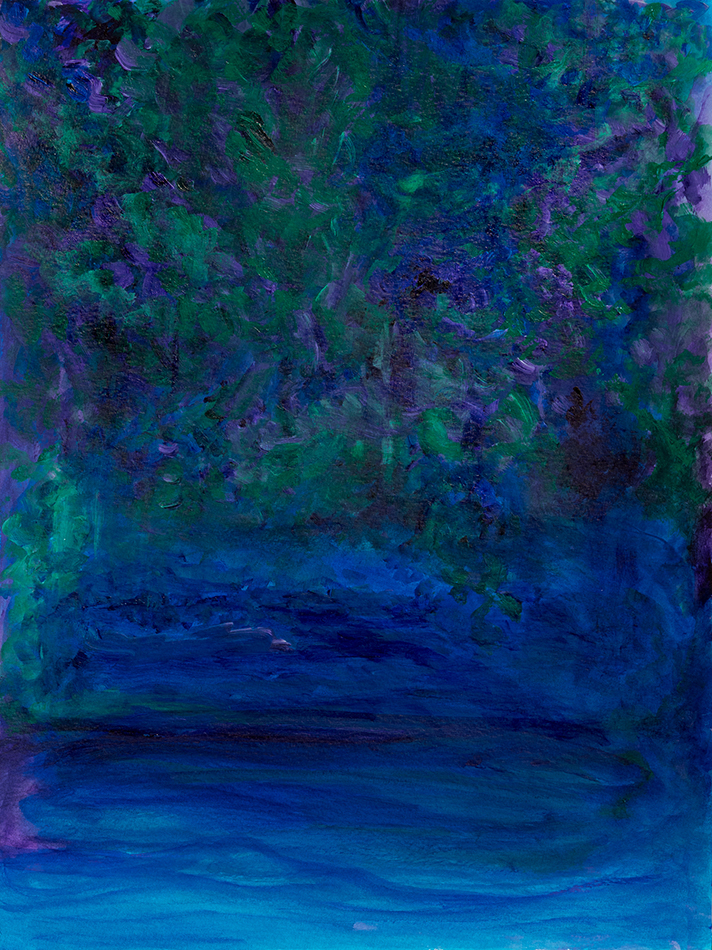
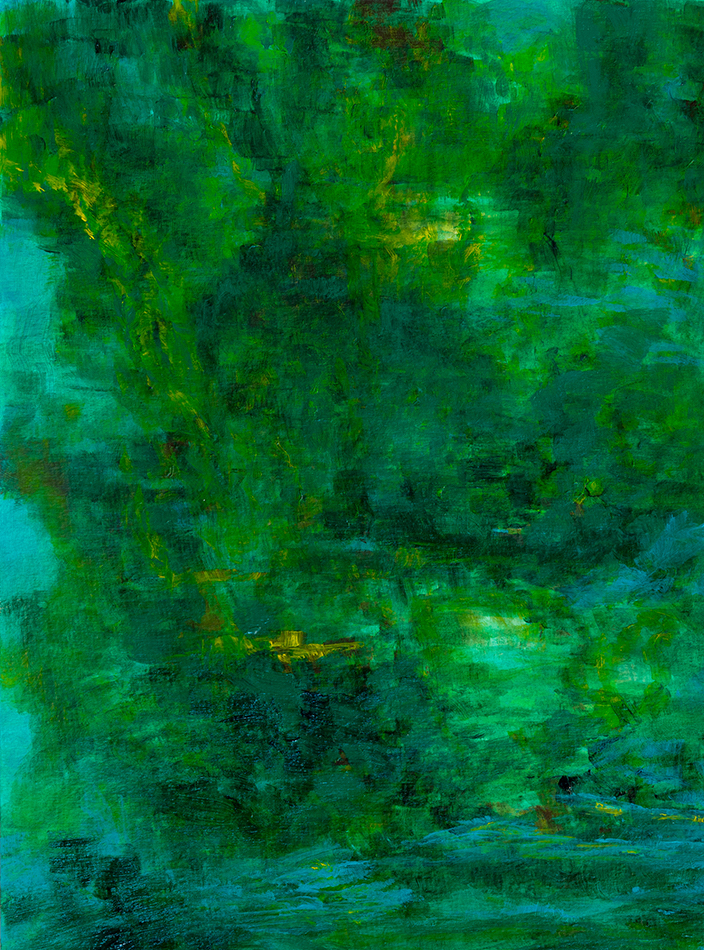
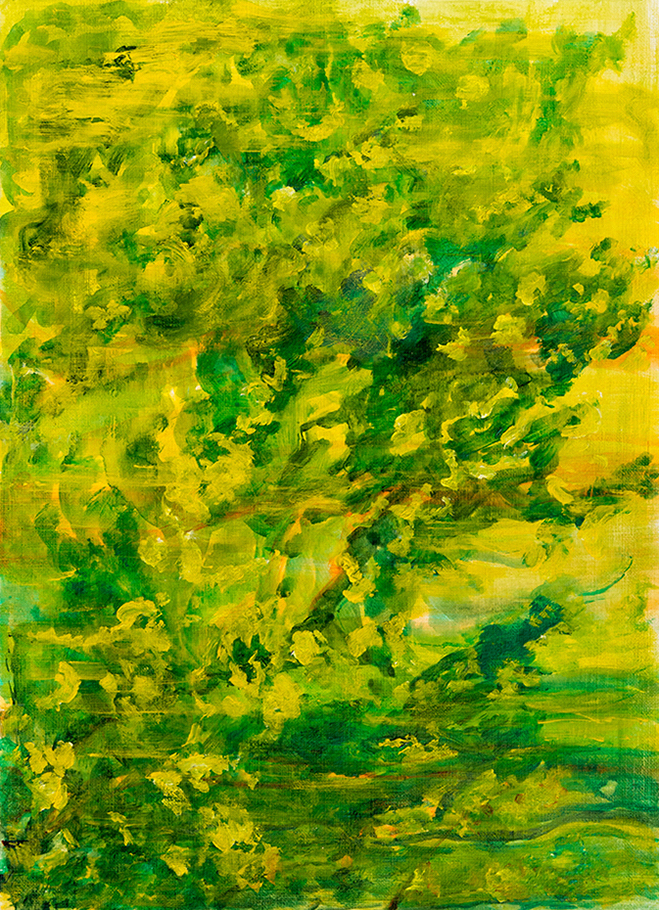
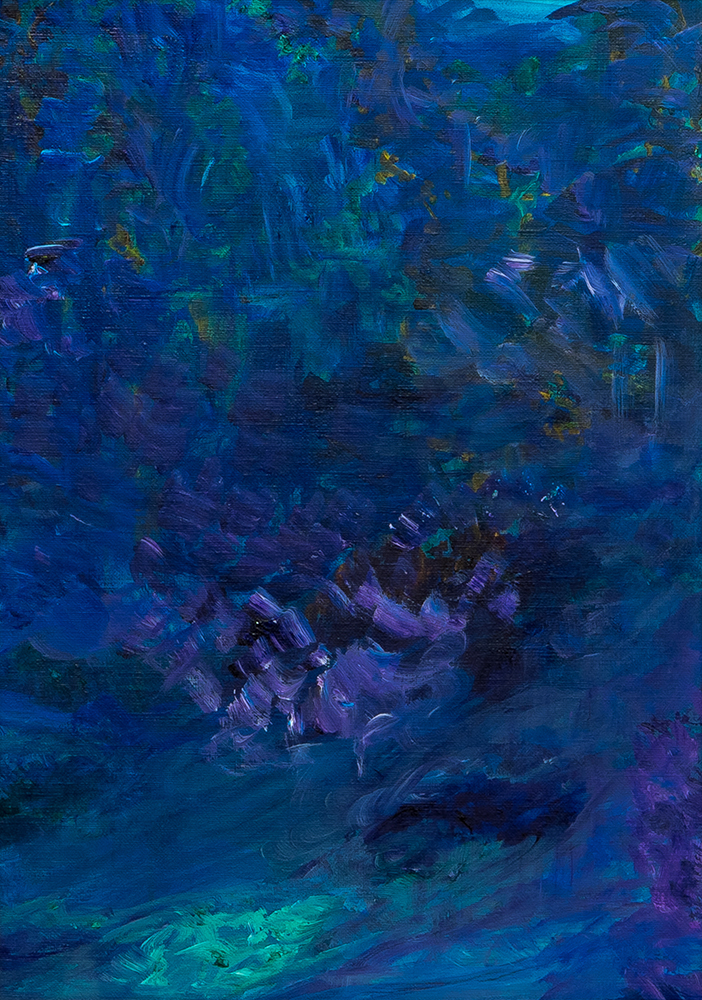
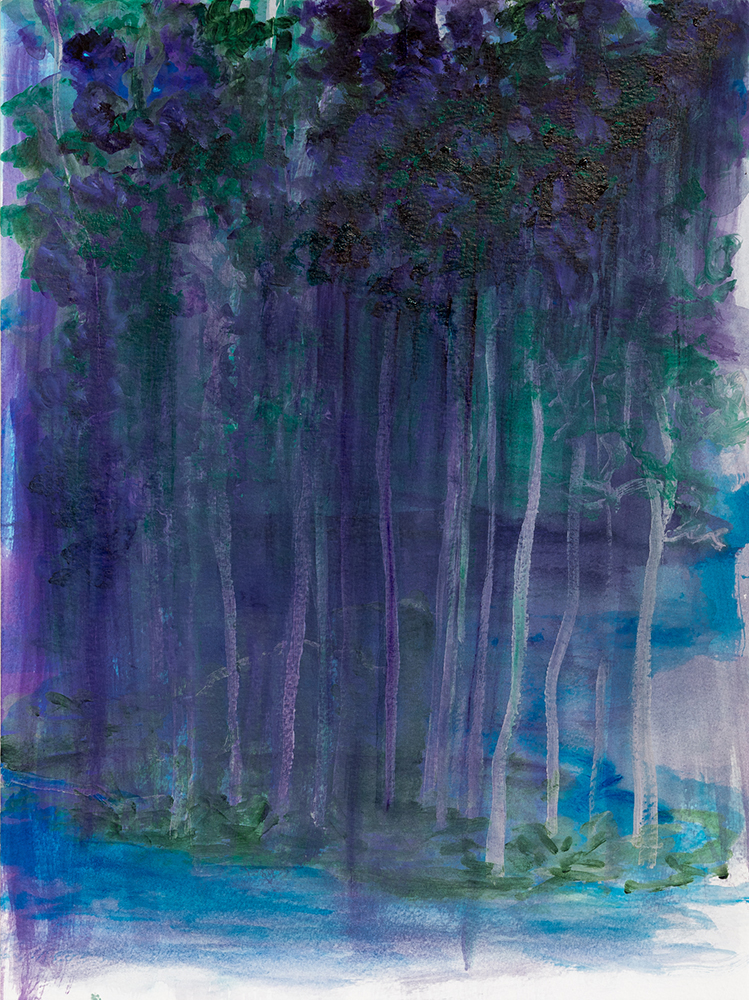
Mending the Invisible brings together twelve small-format paintings, born of a nature imagined during my convalescence. Painting then became a space to forget the pain.
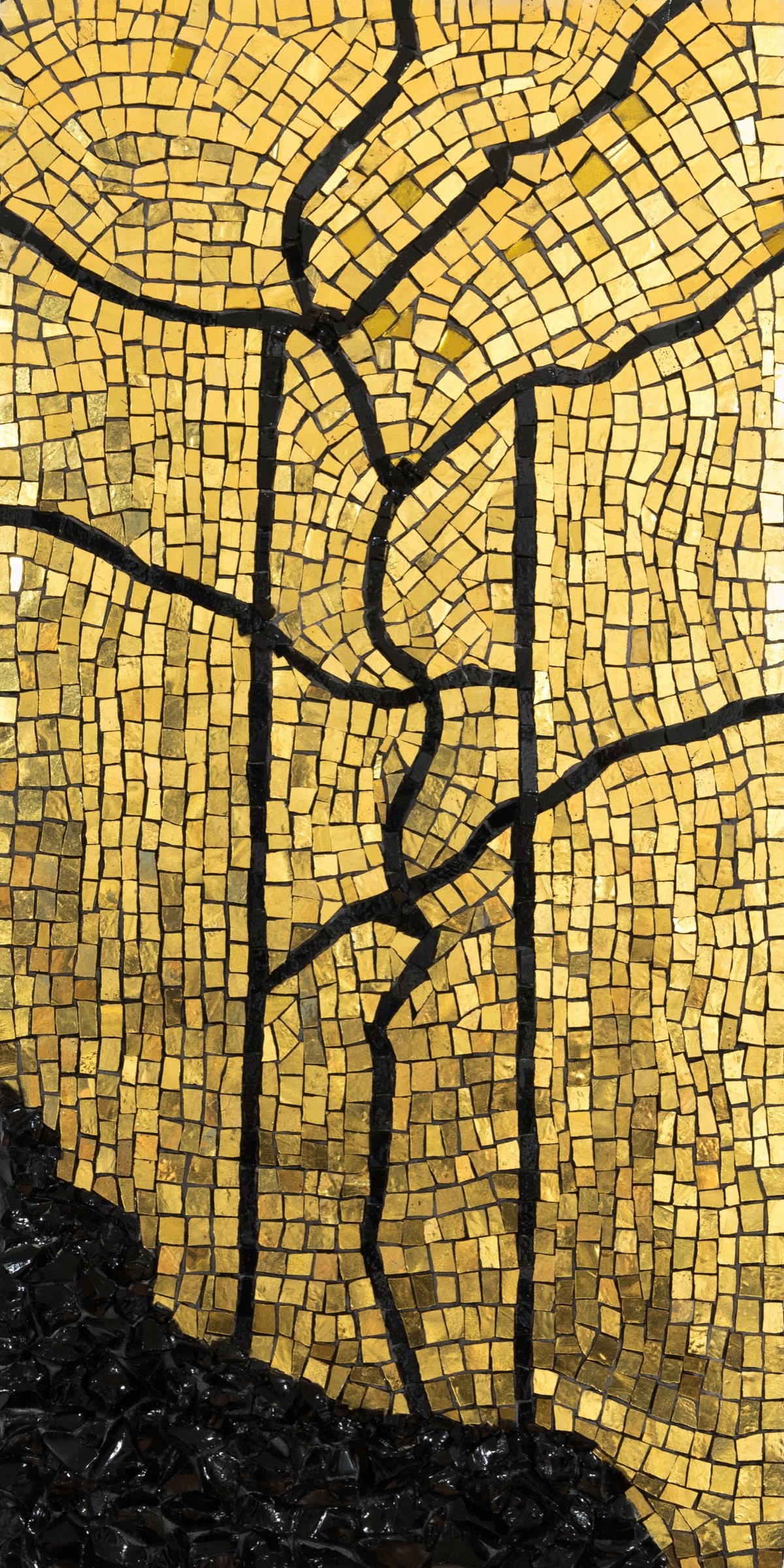
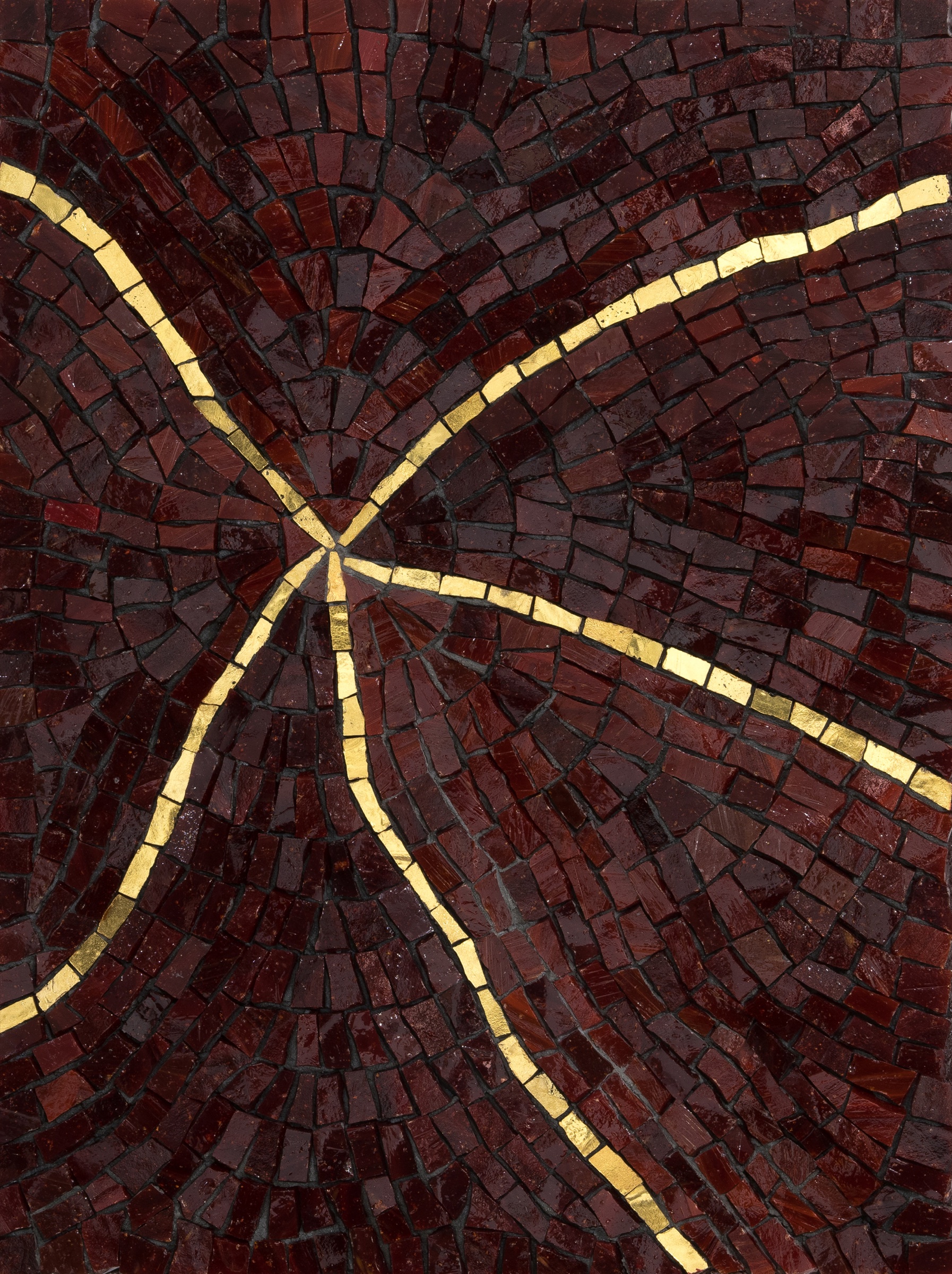
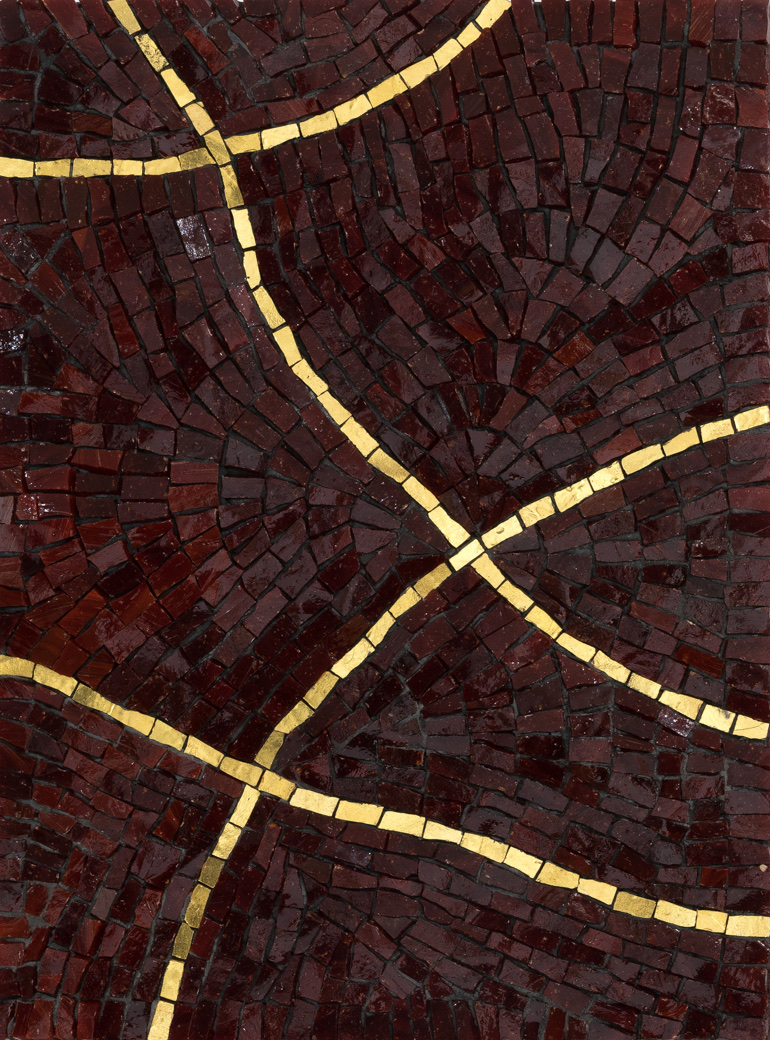
These three mosaics are inspired by kintsugi, the Japanese art of repairing by making the cracks visible with gold powder. Here, gold smalti highlight the fracture lines. The straight or winding lines, either accentuated or set in contrast, become the site of a tension between fragility and transformation.
Photos: Jean-Michaël Seminaro